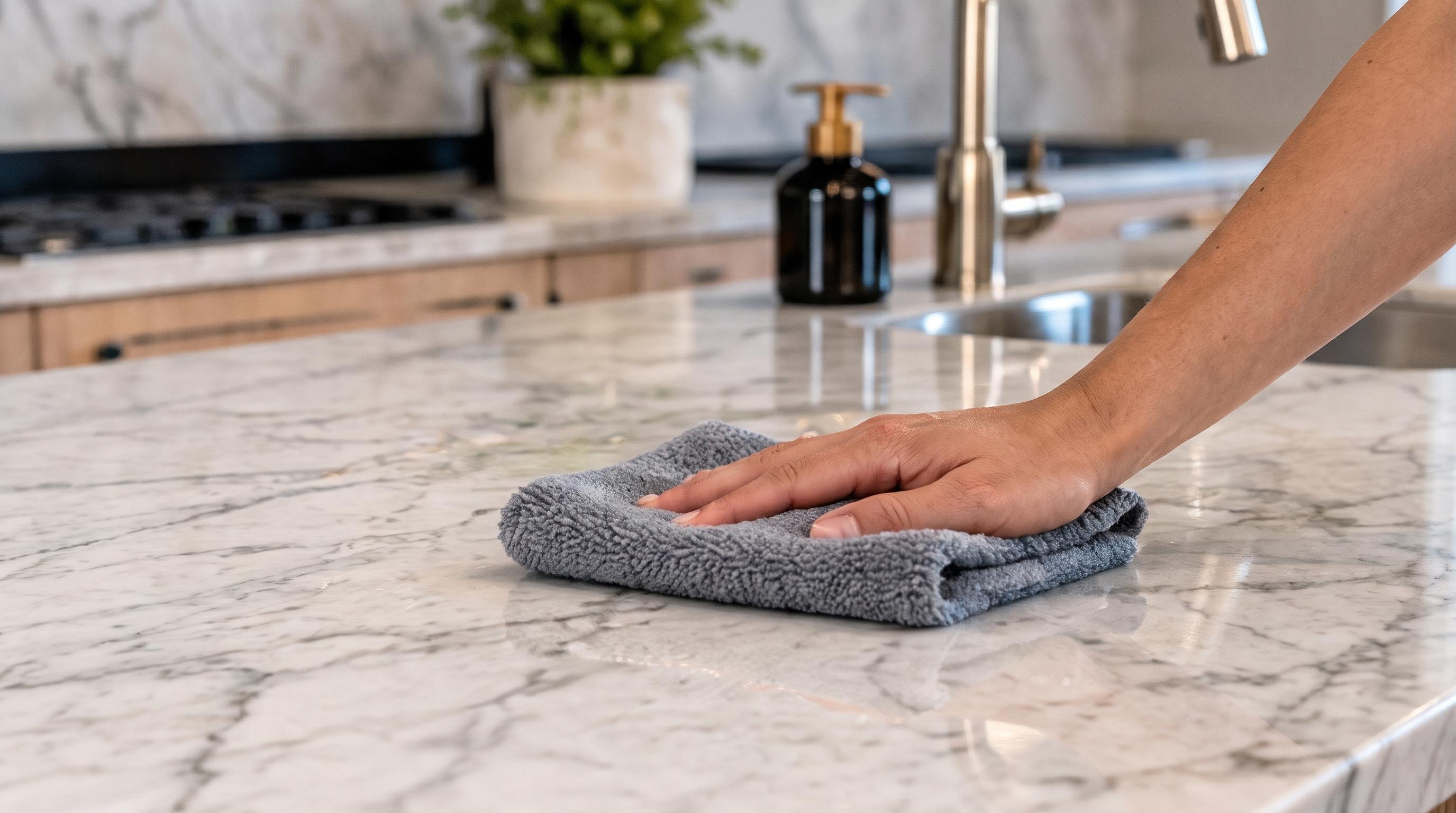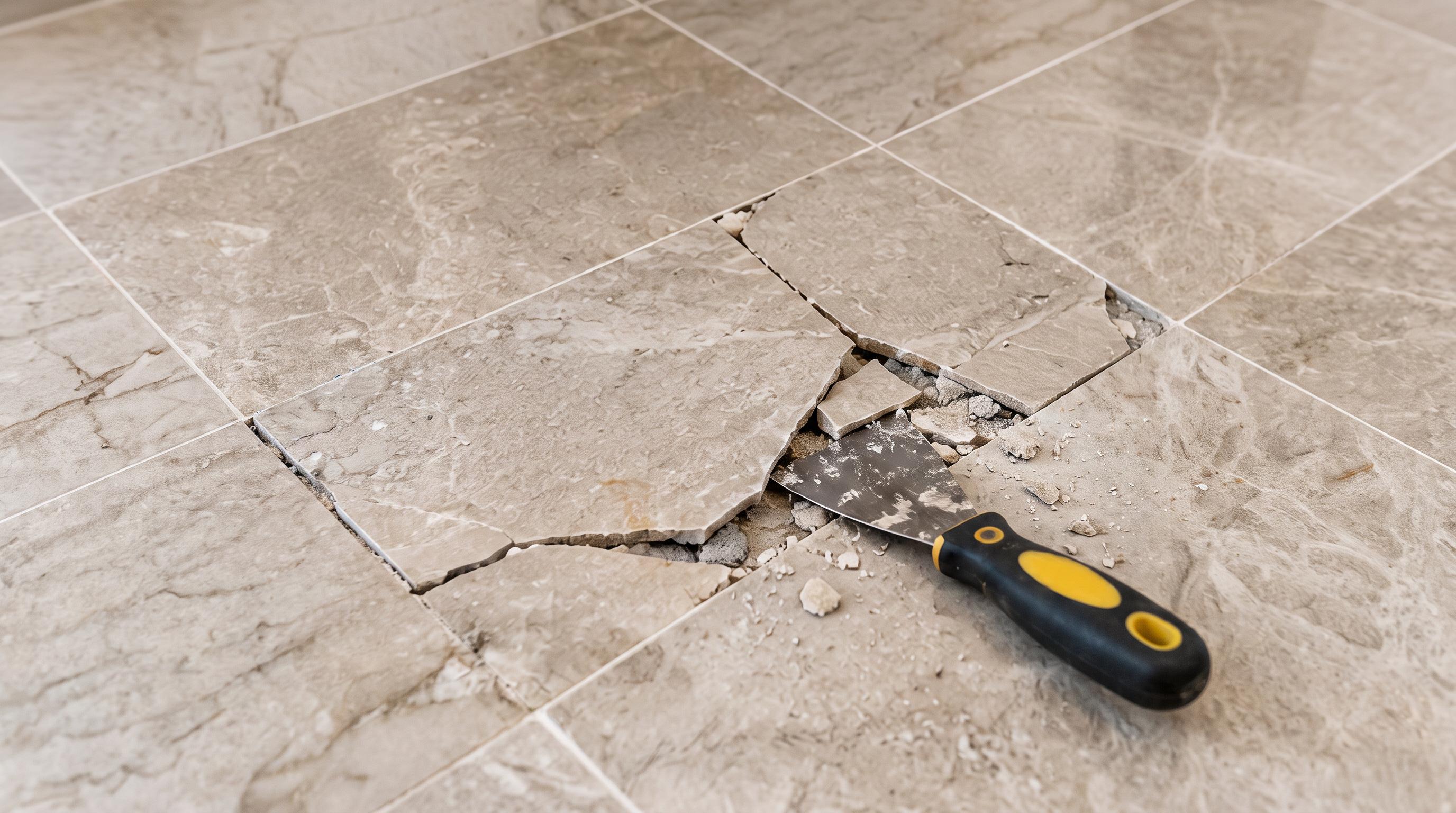
Sealing is one of the most misunderstood parts of natural stone care. Some people assume every stone countertop needs a new coat every year; others believe a sealed surface is completely stainproof. Neither rule is universally correct. Marble, granite, and quartzite vary in porosity, finish, and treatment, and the right maintenance plan depends on the actual material and how it is used. A suitable impregnating sealer may help slow the absorption of certain liquids, but it does not replace prompt cleanup or protect against every type of damage.
What a stone sealer actually does
Many natural stone sealers are designed to penetrate the surface and reduce the rate at which certain liquids enter the pores. This can give you more time to wipe up spills before they stain. Sealers are not the same as topical coatings, and they do not turn natural stone into a waterproof or scratchproof surface. They also do not stop acidic foods or cleaners from etching calcium-based stones such as marble and limestone. Understanding these limits prevents disappointment and helps you choose a realistic care routine.
Why there is no universal resealing schedule
Stone type is only one factor. Two slabs sold under the same broad name may have different absorption characteristics. A polished finish may behave differently from a honed or textured finish, and factory treatments can change how a surface responds. Kitchen counters see different exposure than bathroom vanities or decorative walls. Cleaning habits, the sealer product, and the quality of the original application also matter. Rather than following a blanket annual rule, begin with the stone and sealer manufacturer's recommendations and monitor how the surface performs.
Marble: think about stains and etching separately
Marble can absorb certain liquids and may benefit from an appropriate impregnating sealer, depending on the particular stone and finish. It can also etch when exposed to acids, including citrus juice, vinegar, and some bathroom cleaners. Sealing may reduce some staining risks, but it will not prevent etching. A polished marble counter can develop dull marks even if it is adequately sealed. Protect the surface with coasters and trays, use stone-safe cleaners, and discuss expectations with the fabricator or stone-care professional.
Granite: density varies from slab to slab
Granite is often chosen for its practical performance, but not every granite has identical porosity or treatment needs. Some dense granites absorb very little, while others may benefit from sealing. Some slabs may already have been treated by the supplier or fabricator. Applying additional sealer without checking compatibility can leave a hazy residue. Ask what was used at installation and follow the specific product directions. The fact that a countertop is granite does not, by itself, establish how frequently it should be resealed.
Quartzite: confirm the actual material
Natural quartzite is prized for its appearance and performance, but stones marketed under similar names can have different mineral compositions and care needs. Some materials sold commercially as quartzite may contain minerals that react differently to acids. Request information about the specific slab and follow guidance from the supplier and fabricator. Sealing needs depend on absorption and treatment, not the marketing label alone. If you are comparing quartzite with marble or granite, ask about both maintenance and the finish you plan to use.
How to evaluate whether resealing is needed
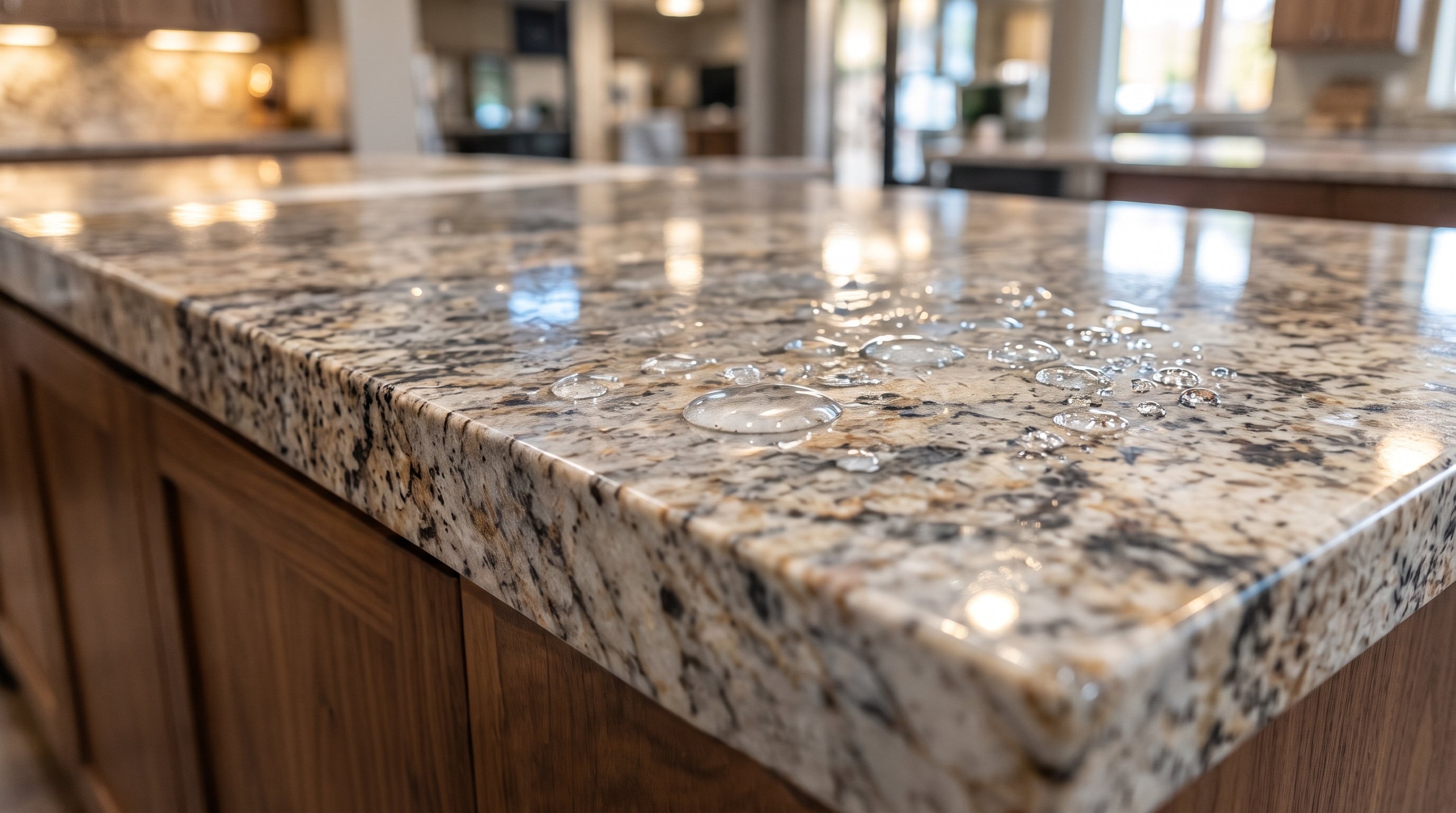
A simple water-drop observation is sometimes used as an informal screening tool: a small amount of water is placed on a clean, dry, inconspicuous area, and the surface is observed for temporary darkening. However, this is not a definitive test and should not replace the stone or sealer manufacturer's instructions. Some surfaces darken for reasons unrelated to sealer failure, and testing can be inappropriate for certain finishes. If you are uncertain, consult a qualified stone-care professional before applying a new product.
Applying sealer is not a casual cleaning step
Preparation, ventilation, product selection, dwell time, and removal of excess material all matter. The wrong sealer or an incorrectly applied product can create streaks, haze, or unwanted changes in appearance. Follow the label and the recommendations for the particular stone. Avoid combining products or sealing over dirt and residue. For expensive slabs, sensitive finishes, or large areas, professional application may be the most reliable option. Keep a record of the product used so future maintenance decisions are easier.
What about quartz, porcelain, and Dekton?
Engineered quartz, most porcelain tile surfaces, and ultracompact surfaces such as Dekton generally do not require the same penetrating stone-sealer routine used for some natural stones. Always follow the manufacturer's care instructions, especially for specialty finishes, grout, and adjoining materials. Do not apply natural stone sealer simply because a surface has a marble-look pattern. Appearance does not determine composition.
Compare natural stone at Marble Express
If you are selecting marble, granite, or quartzite, visit Marble Express San Diego to compare slabs and discuss maintenance considerations before making your decision.