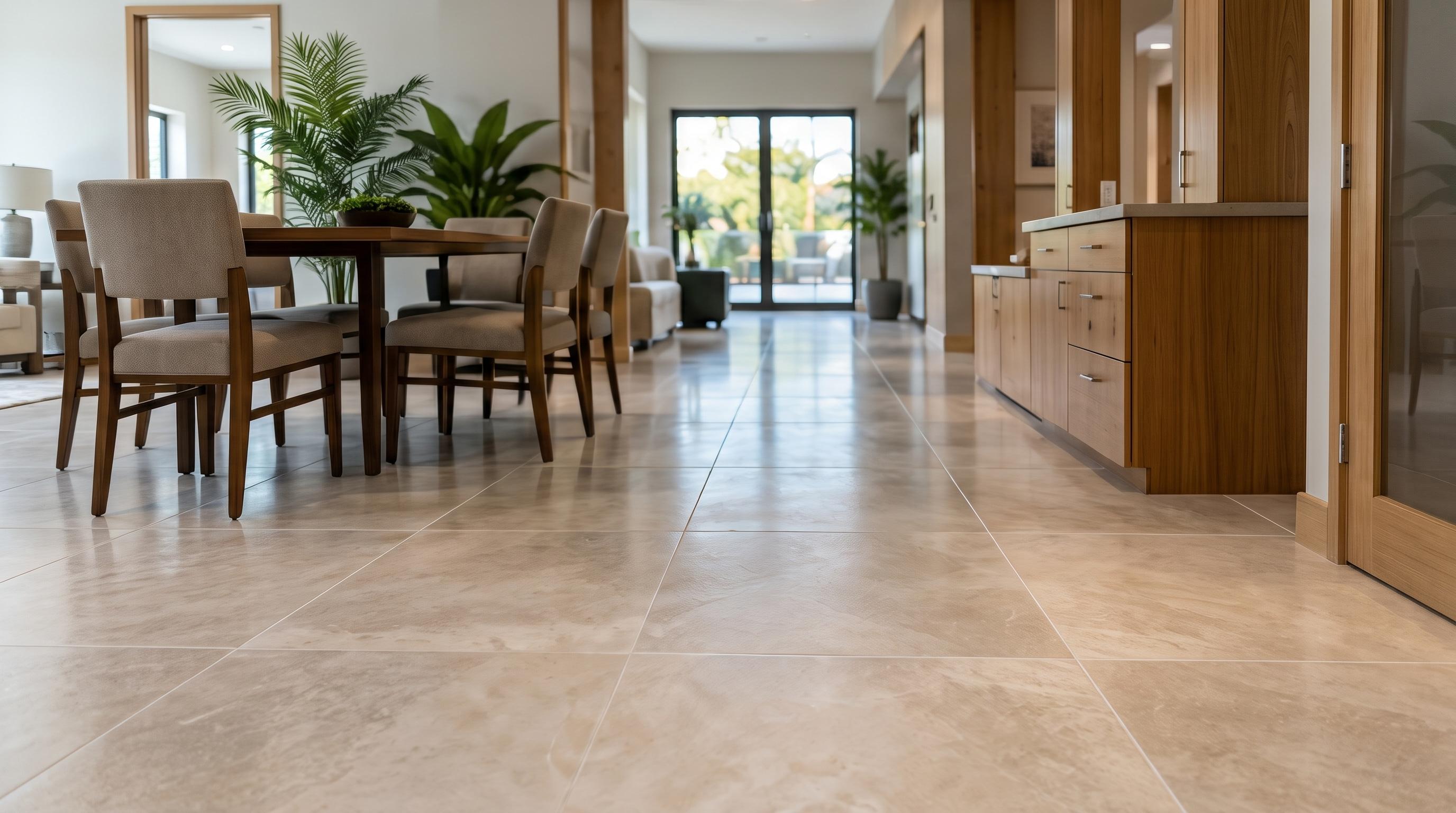
A clean tile floor can make a room feel brighter, but the best cleaning method depends on the tile itself. Glazed ceramic, porcelain, and natural stone may look similar from a distance while responding very differently to water, acids, and scrubbing tools. The grout between tiles also needs attention. Before buying a cleaner or reaching for a steam mop, identify your flooring material and check the manufacturer or installer recommendations. That first step can prevent avoidable damage and help the floor look its best for years.
Identify the tile before you clean
Glazed ceramic and many porcelain tiles have durable manufactured surfaces that tolerate routine cleaning well. Unglazed, textured, or specialty finishes may require different methods. Marble, travertine, limestone, slate, and other natural stone tiles need stone-compatible cleaners, and some surfaces may require sealing. If you do not know the tile type, ask the supplier or installer or have a professional identify it. Do not test acidic cleaners on an unknown floor. The goal is to remove soil without changing the finish or harming grout and surrounding materials.
Begin with dry soil removal
Sand and grit act like abrasives under shoes and furniture. Sweep with a soft broom or use a vacuum setting intended for hard floors, avoiding rotating brushes that could scratch sensitive surfaces. Pay attention to entrances, kitchen corners, and traffic paths. Removing loose particles before mopping prevents them from being dragged across the floor. Entrance mats and a regular sweeping schedule often do more for long-term appearance than stronger chemicals. If a floor has large-format tiles, check edges and joints where dirt can collect.
Mop with the right solution
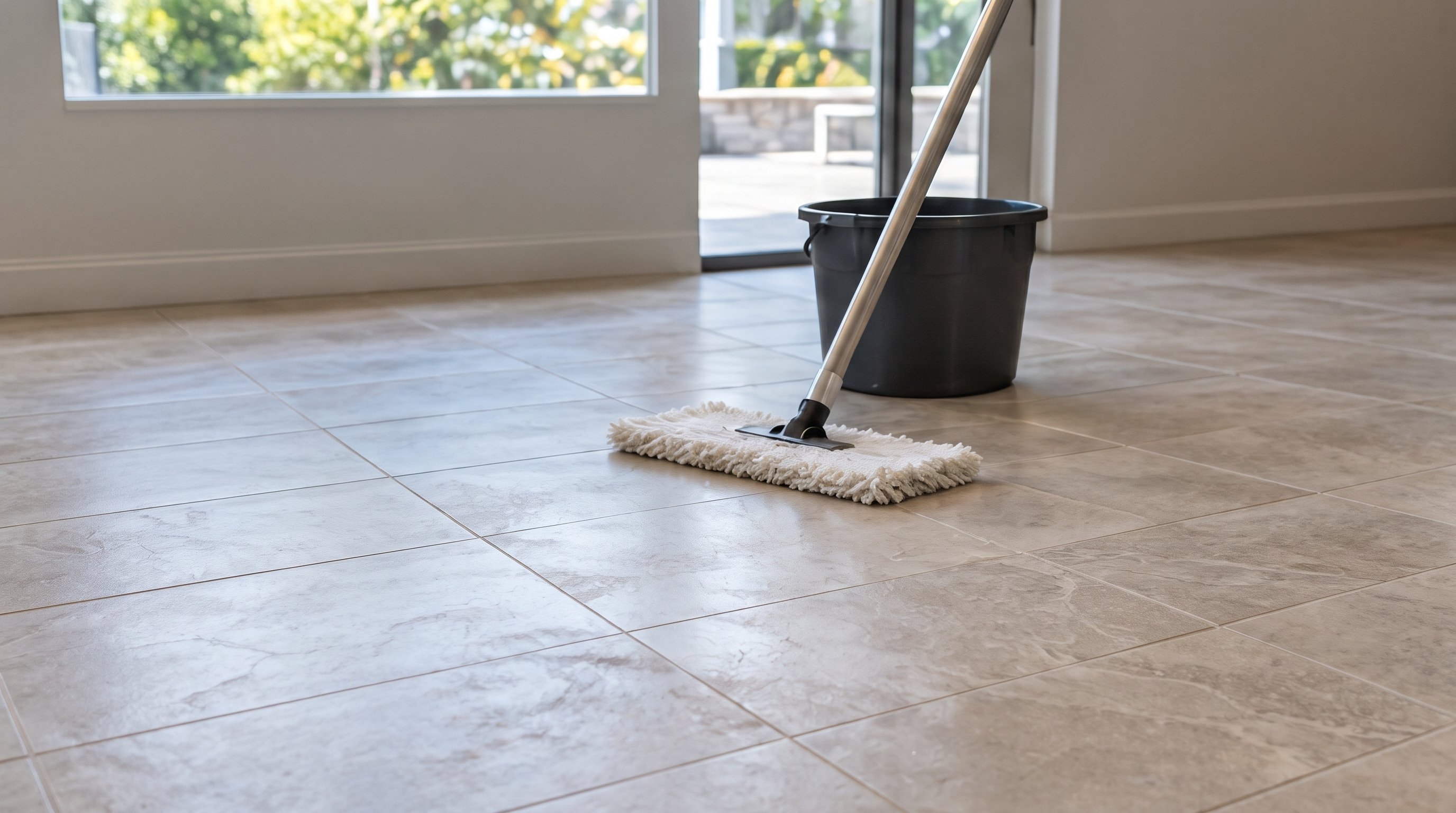
Use a microfiber mop and the cleaner recommended for your particular tile. For many ceramic and porcelain floors, a manufacturer-approved neutral floor cleaner is a good starting point. For natural stone, choose a pH-neutral product explicitly suitable for that stone. Mix according to label directions rather than making the solution stronger. Excess detergent can leave a sticky or cloudy film that attracts more dirt. Change the water when it becomes dirty and avoid saturating the floor, particularly where grout, transitions, or underlying construction may be vulnerable to moisture.
Prevent streaks and hazy residue
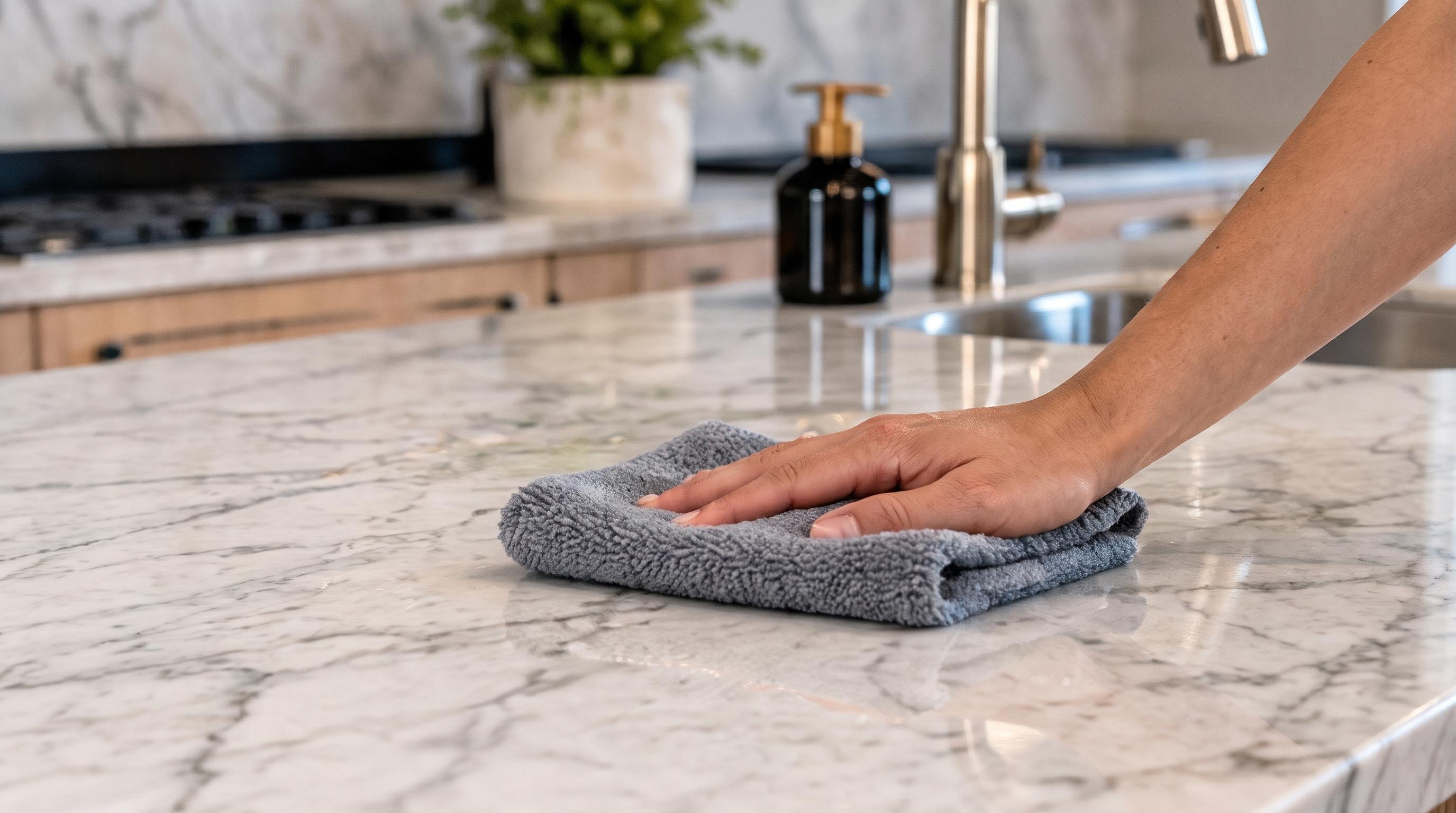
Streaks often come from leftover cleaner, dirty mop water, or a film from previous products. Start with a freshly washed microfiber pad and use a modest amount of solution. If the product instructions call for rinsing, follow with clean water. Dry or buff glossy surfaces with a clean microfiber cloth when needed. Avoid waxes or shine-enhancing products unless the manufacturer recommends them. They may build up, alter slip resistance, or make later cleaning harder. When haze persists after normal cleaning, confirm whether it is detergent residue, hard-water deposits, or a finish issue before treating it.
Clean grout without damaging it
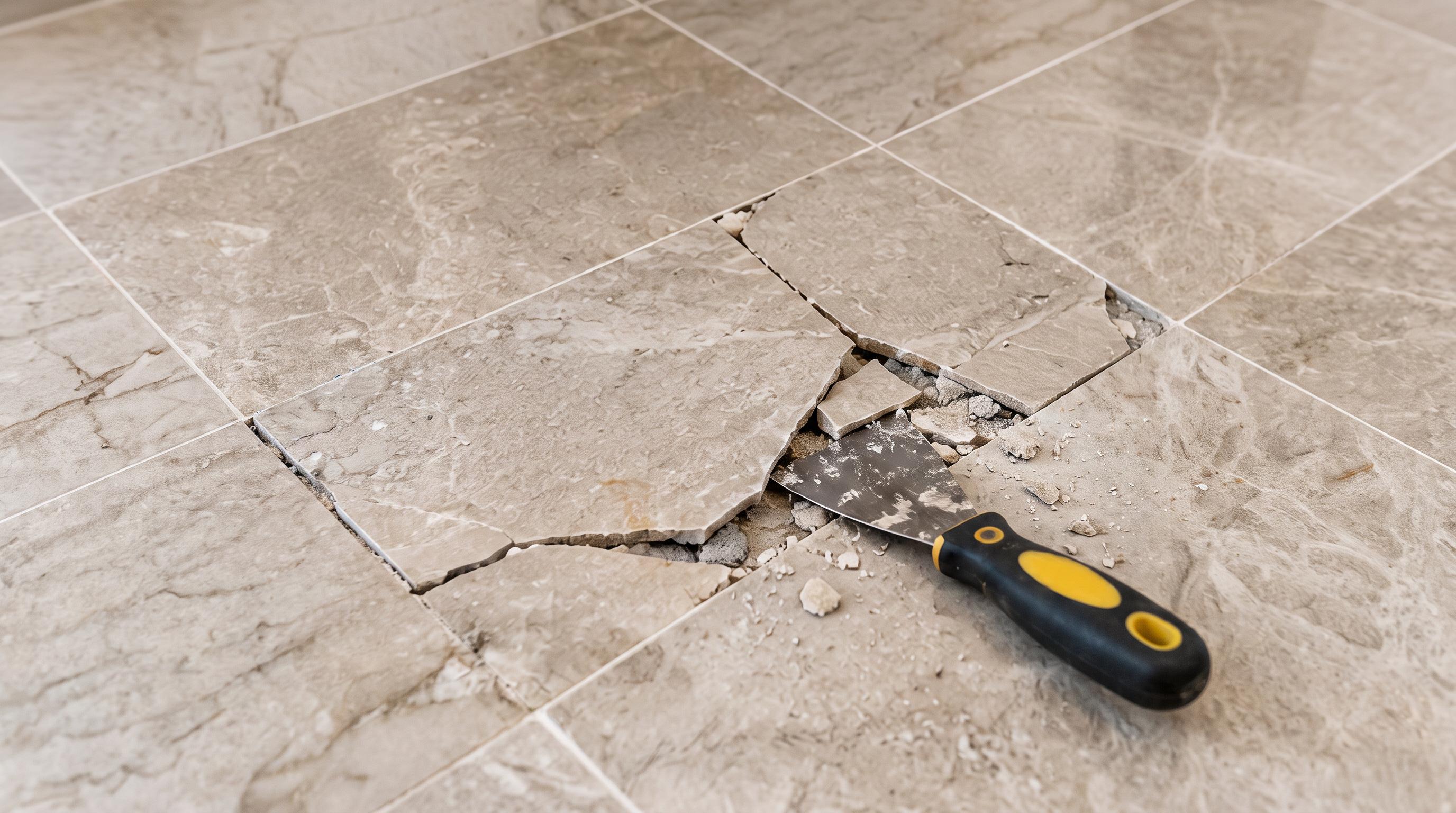
Grout is often more absorbent and more vulnerable than the tile surrounding it. Begin with a grout-safe cleaner and a soft nylon brush, working in small areas and rinsing as directed. Do not assume bleach or acidic cleaners are appropriate for every grout formulation. Cementitious grout and epoxy grout have different care requirements. Avoid stiff wire brushes, which can erode joints or scratch nearby surfaces. If grout is cracked, loose, or persistently discolored, cleaning alone may not solve the problem; it may need repair or replacement.
Handle spills and stubborn spots
Blot liquid spills promptly, especially on natural stone and grout. For dried-on food or dirt, soften the residue with a suitable cleaner and lift it gently with a nonabrasive tool. Do not use metal scrapers on finished tile. Grease in kitchens may require a manufacturer-approved degreaser compatible with the floor. Rust, paint, or mineral deposits can need specialized treatment; test products carefully and avoid experimenting with acids on natural stone. If the source of a stain is unknown, seek advice before applying a strong treatment.
Should you use a steam mop?
Steam is not universally suitable for all tile assemblies. High heat and moisture may be problematic for some finishes, sealers, grout conditions, or flooring systems. Follow both the tile manufacturer's and steam-mop manufacturer's guidance, and consider the condition of the installation. When there is uncertainty, a microfiber mop with a compatible cleaner is a safer default. The same caution applies to pressure washing indoor tile: excessive water and force can damage joints or push moisture into areas that were not designed for it.
Make cleaning part of a long-term plan
Sweep high-traffic areas frequently, mop as needed, and inspect grout and transitions periodically. Use felt pads under furniture and mats near entrances. Clean with compatible products rather than changing chemicals every week. If your floor is natural stone, ask about the appropriate sealer and whether it needs maintenance. A well-maintained floor is not necessarily spotless every moment; it is one where grit, moisture, and chemical exposure are managed consistently.
Explore flooring materials in San Diego
Choosing a floor is also about how you want to maintain it. Visit Marble Express San Diego to compare tile and natural stone options, examine finishes, and discuss what works for your space.