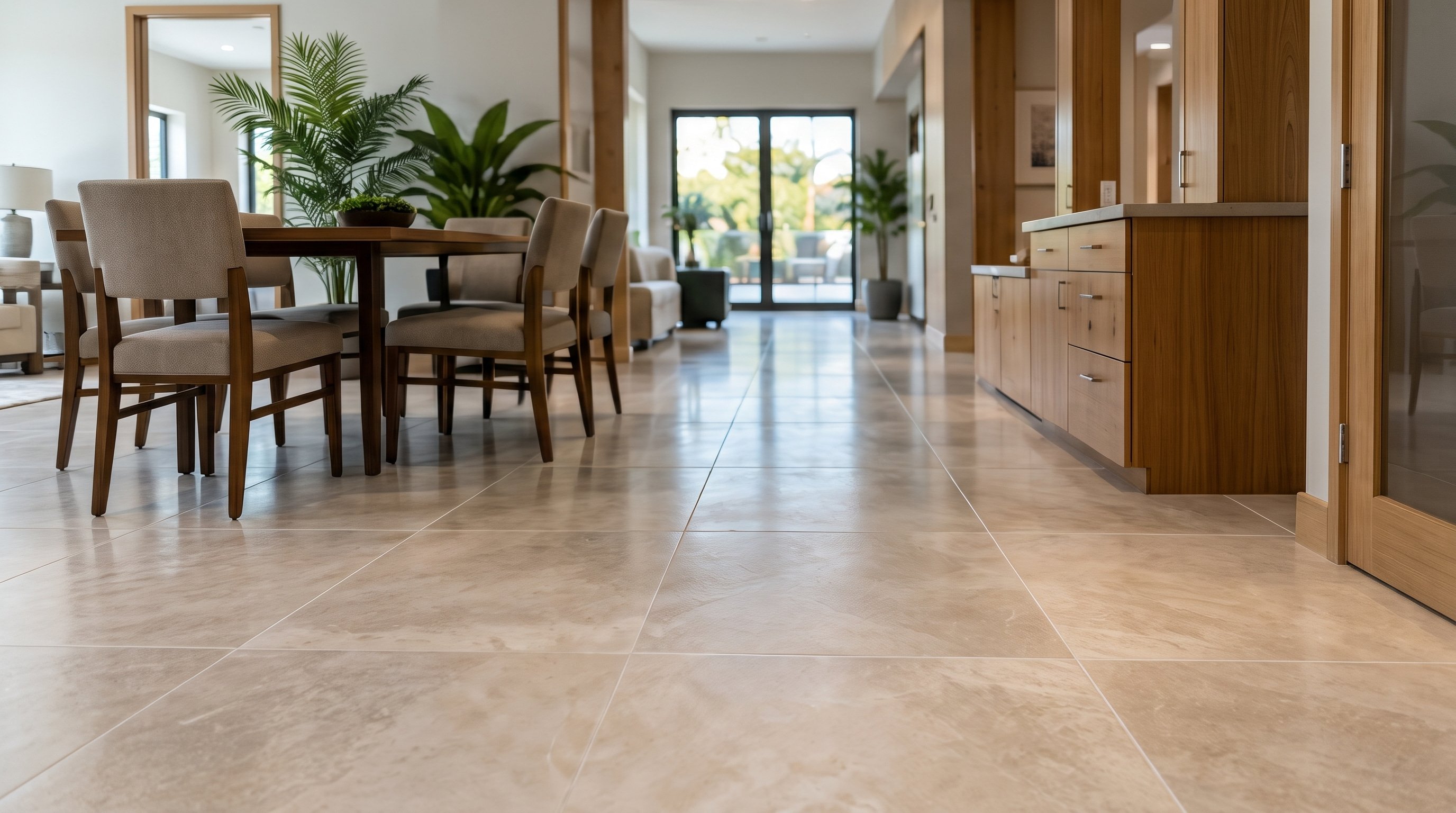
Tile is a popular flooring choice because it can be durable, versatile, and easy to live with when it is properly selected and installed. But even strong porcelain or ceramic tile can lose its appeal when grit scratches the surface, grout deteriorates, or moisture reaches areas it should not. Natural stone floors have their own additional care needs. Long life comes from a combination of sensible cleaning, protection, and attention to early warning signs. These eight habits help homeowners preserve their floors without relying on harsh chemicals or elaborate routines.
1. Remove sand and grit frequently
Fine dirt is one of the most common sources of everyday wear. Under shoes, chair legs, and furniture, grit can behave like sandpaper. Sweep with a soft broom or vacuum using a hard-floor setting, especially near exterior doors and heavily used routes. In homes with pets, outdoor activity, or frequent visitors, a quick daily pass through traffic areas can make a difference. Do not wait until the floor visibly looks dirty. Keeping loose particles under control is one of the simplest ways to protect a finish over time.
2. Put effective mats at entrances
A good entrance mat captures dirt before it travels across the floor. Use mats suited to the entryway and clean them regularly so they do not become reservoirs of grit. In wet weather, choose a mat that helps manage moisture as well. Check that any backing is compatible with the flooring material; some rubber or dyed backings can mark sensitive finishes. Mats also help protect high-traffic zones near sinks and doors, but they should not trap standing water against grout or natural stone.
3. Clean with products made for the material
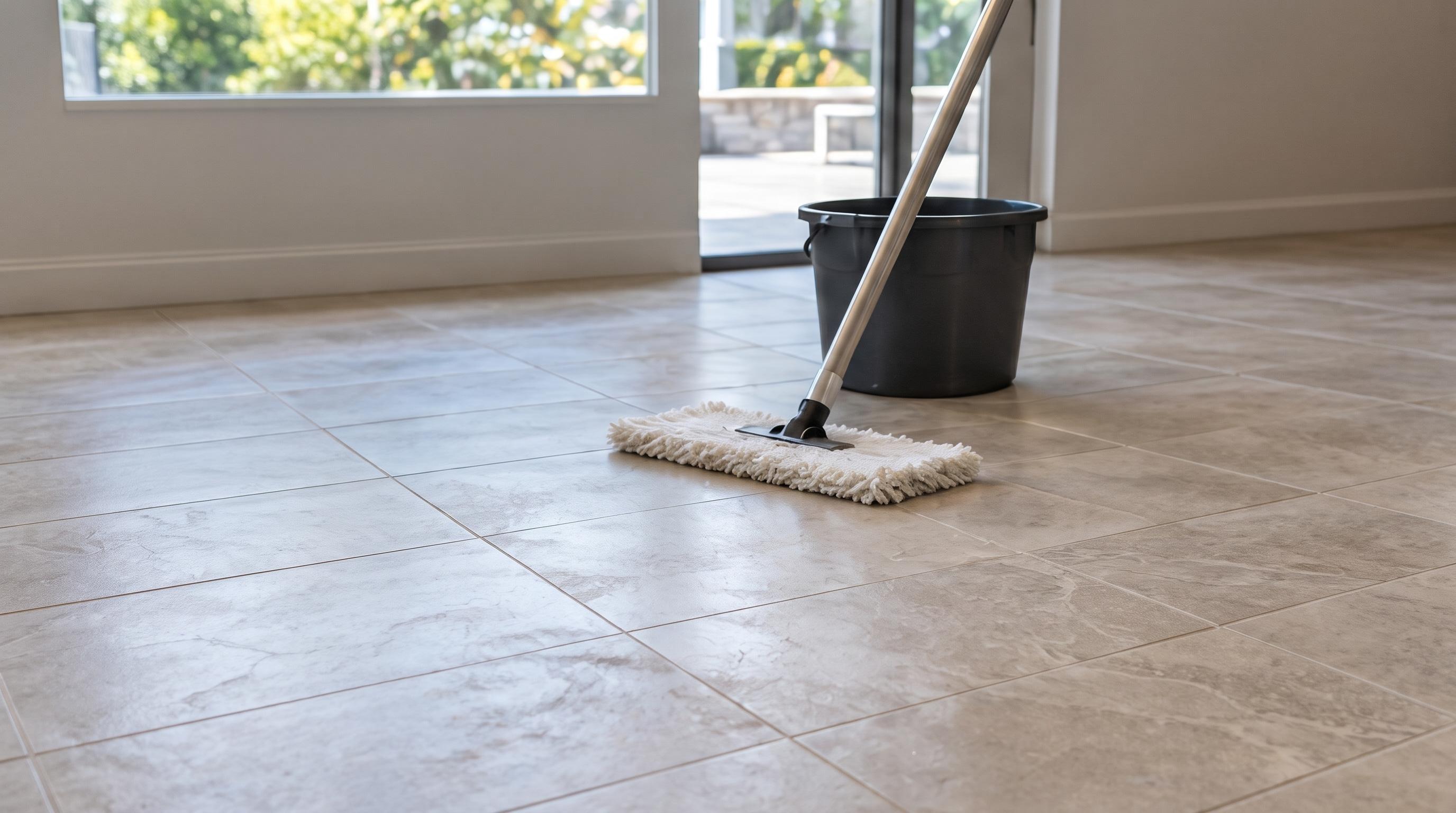
Different tile types need different care. Glazed ceramic and porcelain can often be cleaned with a manufacturer-approved neutral floor cleaner. Marble, limestone, travertine, and other natural stones generally require a pH-neutral cleaner explicitly suitable for the stone. Avoid assuming vinegar, bleach, or abrasive powder is harmless because the floor seems tough. Overly strong products may damage finishes, sealers, or grout. Use the dilution stated on the label, change mop water frequently, and rinse when required.
4. Protect the floor from furniture
Attach suitable felt or protective pads beneath chairs, tables, and movable furniture. Inspect and replace worn pads because they can collect grit. Lift heavy furniture instead of dragging it. Rolling chairs may need floor protection depending on wheel type, load, and tile finish. A single dragged appliance or piece of furniture can chip an edge or scratch a sensitive surface. Small protective details are inexpensive compared with replacing a damaged tile or repairing a long visible mark.
5. Watch the grout and movement joints
Grout is not the same as tile, and damaged joints can affect the floor's appearance and performance. Inspect grout for cracks, missing sections, or persistent discoloration. Movement joints and perimeter transitions may use flexible sealants rather than rigid grout; these should not be filled indiscriminately. If a tile feels hollow, loose, or uneven, have the installation checked. Repeatedly patching grout without addressing movement can hide a developing problem. Follow the grout manufacturer's maintenance guidance and seek qualified advice when cracks keep returning.
6. Address spills and moisture promptly
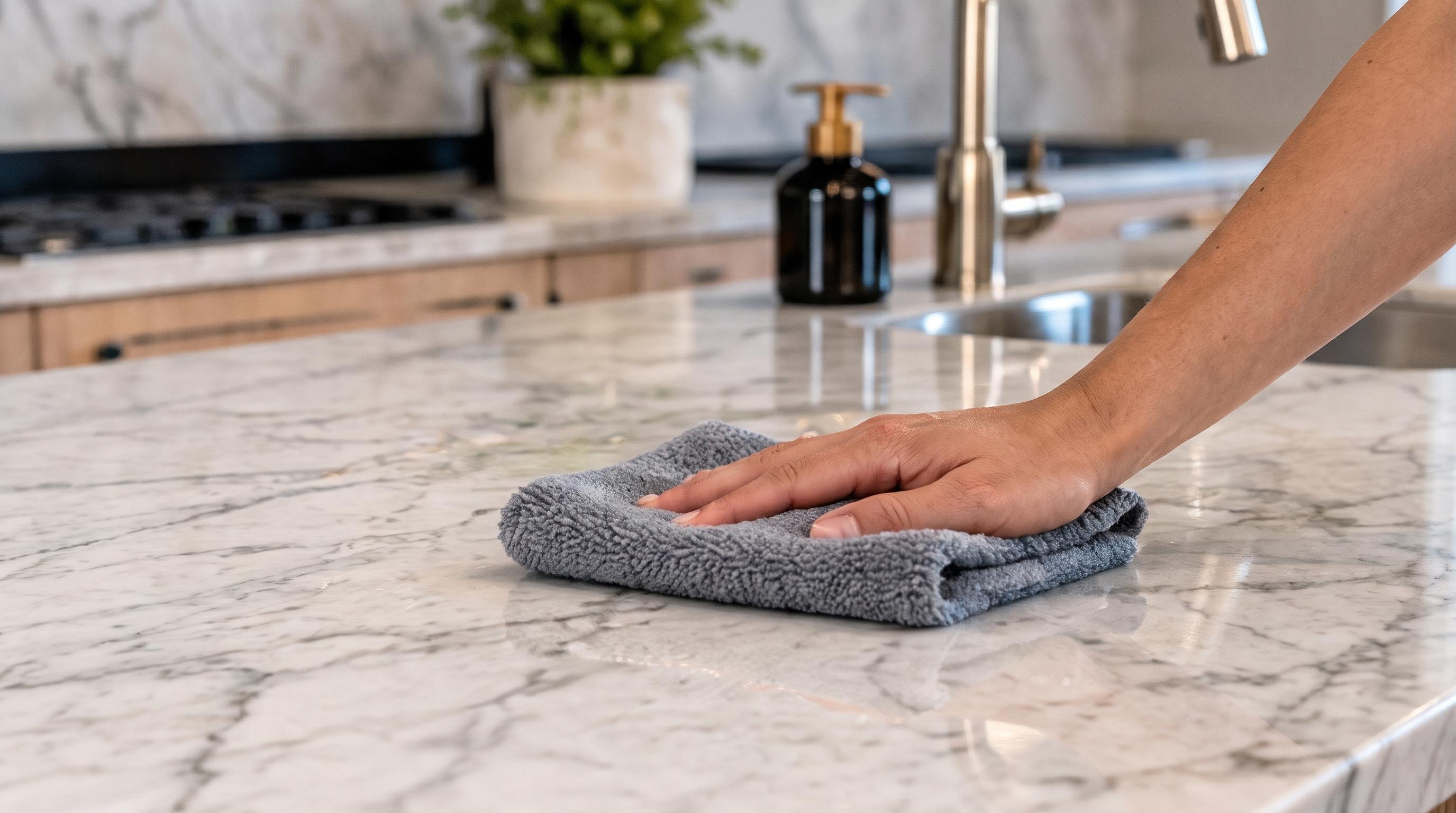
Wipe spills before they spread or leave residue. On natural stone, oil, wine, coffee, and strongly colored liquids can be especially troublesome. Around sinks, bathrooms, and laundry areas, manage standing water and inspect caulk and transitions. Tile itself may resist water, but the complete floor assembly includes grout, joints, underlayment, and substrate. Moisture can create problems when it reaches vulnerable layers. If you notice persistent dampness or a musty odor, investigate rather than simply cleaning the surface again.
7. Use sealing where appropriate, not everywhere
Some natural stone and certain cementitious grout installations may benefit from an appropriate sealer. Many porcelain tiles and glazed ceramic tiles do not require sealing of the tile surface. The correct product and schedule depend on the material, finish, and existing treatment. Applying a sealer where it is not recommended can leave haze or alter the appearance. Ask the supplier or installer what was used and follow the manufacturer's guidance. Remember that sealing does not make a floor scratchproof, waterproof, or maintenance-free.
8. Respond early to chips and cracks
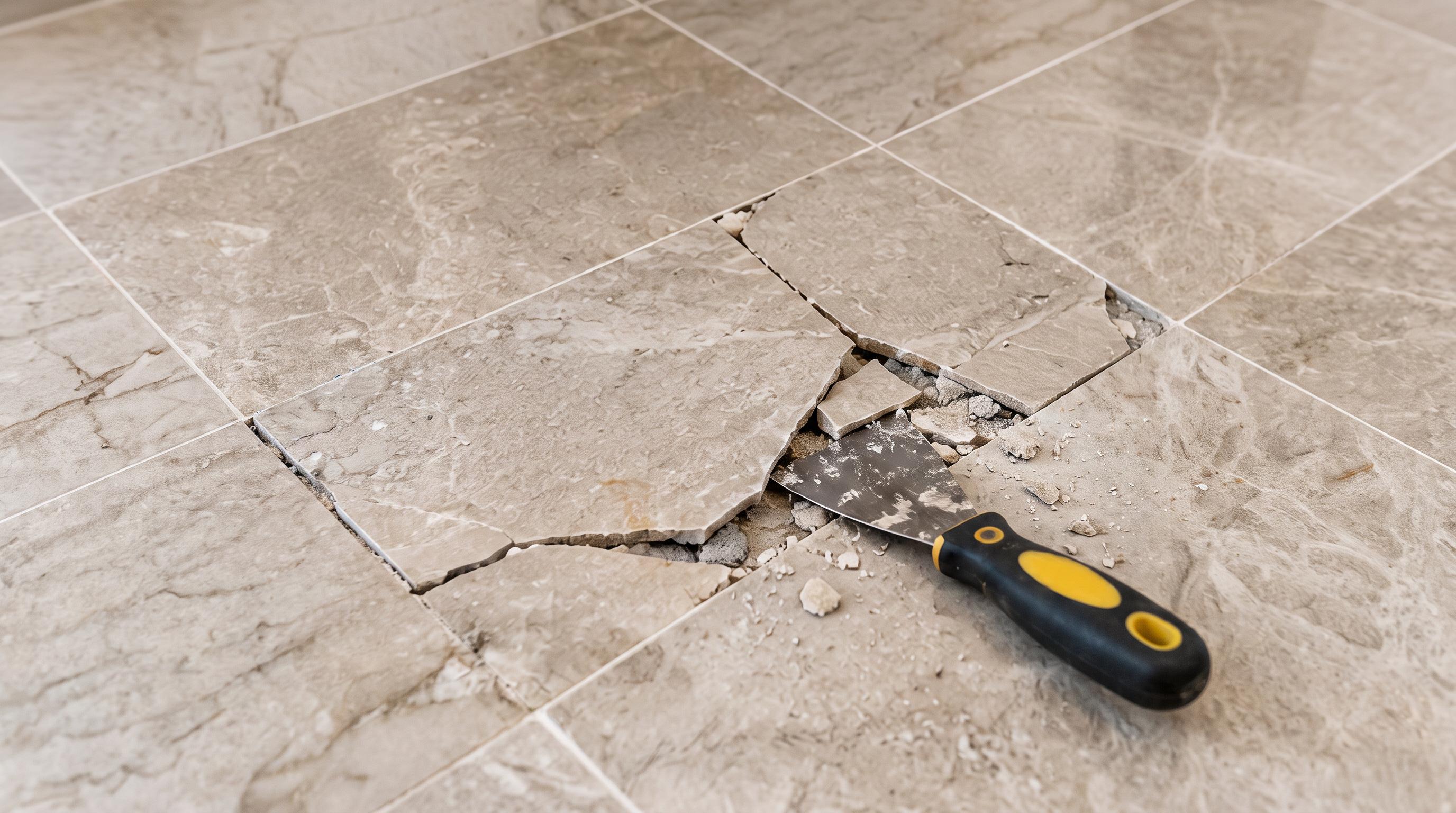
A small chip can become a larger issue if edges catch shoes or cleaning tools. A cracked tile can also signal movement or an impact. Document the damage and check nearby tiles before attempting a repair. If the tile is loose, sharp, or located in a wet area, professional assessment is wise. Keeping spare tiles from the original installation can make future repairs easier because color and batch matching may become difficult later. Prevention matters, but prompt attention to damage is equally important.
Build a maintenance routine that fits your home
A practical schedule is more useful than an ambitious one nobody follows. Sweep high-use areas frequently, mop with a compatible product as needed, and inspect grout and sealants periodically. Homes with children, pets, or direct outdoor access may need more frequent attention. Natural stone may require additional checks based on its finish and treatment. Keep care instructions with your home records so future cleaners or occupants know what products are safe.
Explore long-lasting flooring options
At Marble Express San Diego, you can compare tile and natural stone finishes in person and discuss which material characteristics fit your project and maintenance preferences.