Natural stone is valued for its character, depth, and long-lasting appeal. Yet many surface problems begin with well-intentioned cleaning habits. A product that works on glass or ceramic may be too harsh for marble, while a protective treatment applied incorrectly may leave haze. Natural stones also vary widely, so a method suitable for one slab may not be right for another. Learning what to avoid can save time, protect the finish, and help you enjoy the material as it naturally ages.
Mistake 1: Using vinegar or acidic multipurpose cleaners
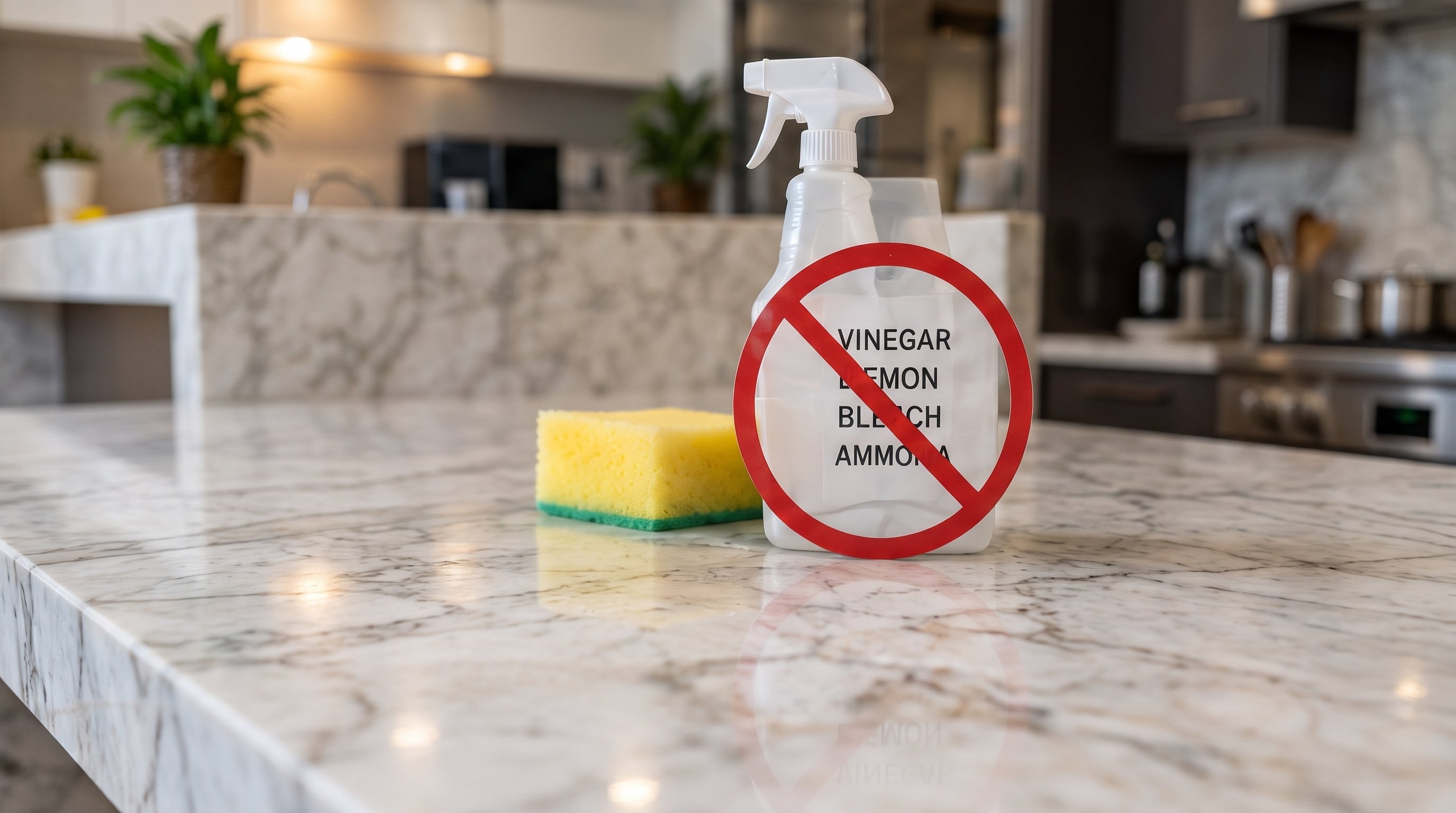
Vinegar and lemon juice are common household cleaning ingredients, but they can react with calcium-based stones such as marble, limestone, travertine, and onyx. The result may be etching: a dull or altered patch on the surface. Some bathroom descalers and rust removers are also acidic. Even if a product removes a deposit, it may damage the stone beneath it. Use a cleaner specifically approved for the material and follow its directions. When uncertain, ask a stone-care professional before applying a chemical treatment.
Mistake 2: Scrubbing with abrasive pads or powders
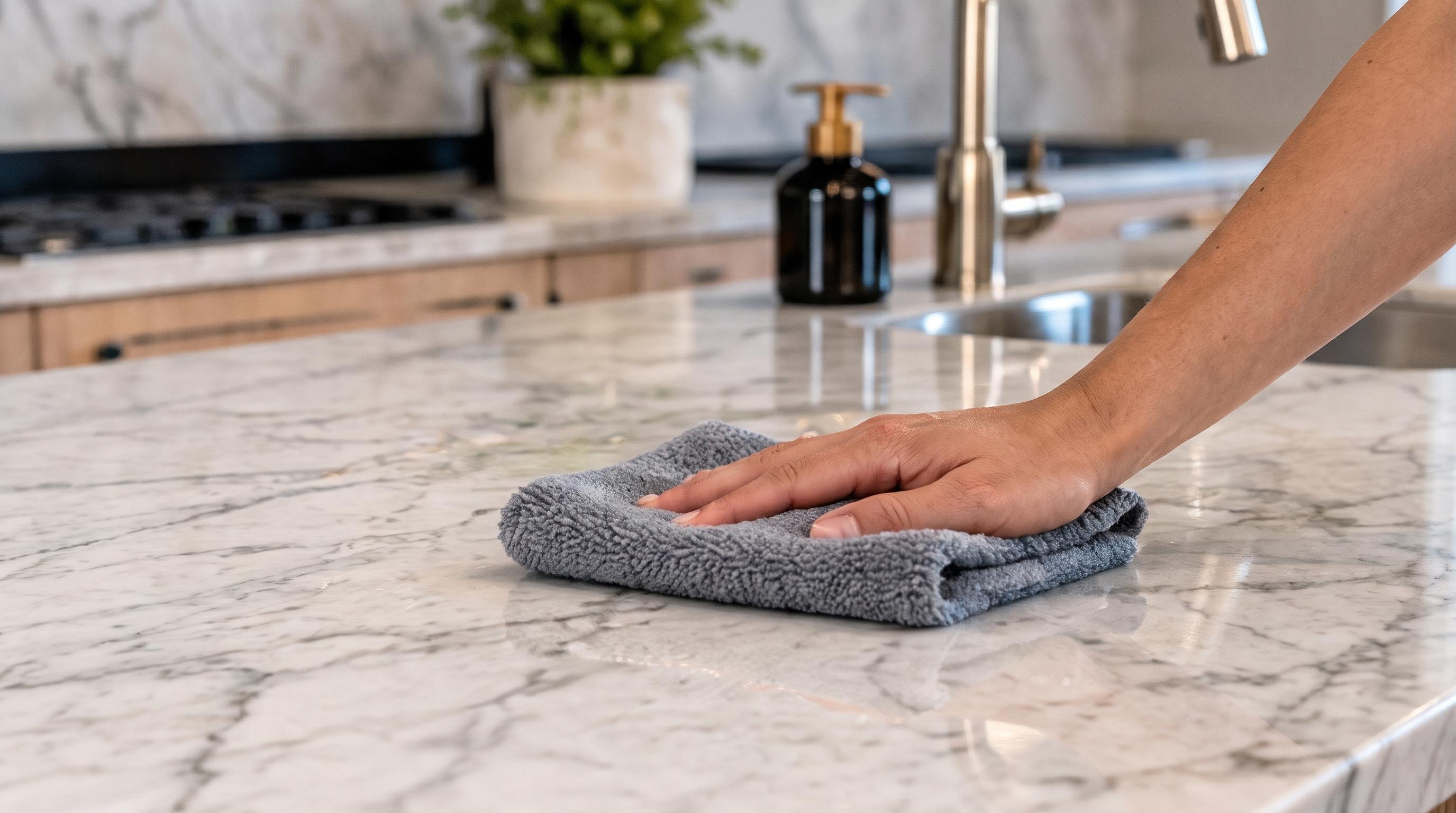
Rough pads, scouring powders, and stiff brushes can scratch or change the sheen of sensitive finishes. Polished stone may show fine scratches as cloudy areas under direct light. Honed stone can also be altered by uneven abrasion. Begin with a microfiber cloth or another manufacturer-approved soft tool. For stubborn residue, identify what caused it before increasing force. A specialty product designed for the residue may be safer than repeated aggressive scrubbing. Never assume that a harder brush is the quickest path to a better result.
Mistake 3: Leaving spills to sit
Wine, coffee, cooking oils, cosmetics, and colored liquids can penetrate some stone surfaces, particularly when the stone is absorbent or a protective treatment has worn. Acidic spills can also etch certain stones quickly. Blot spills rather than wiping them across a larger area, then clean gently with a compatible product. Keep trays under soap dispensers and toiletries, and use coasters where drinks are served. Prompt cleanup is simple, but it is one of the most effective habits for maintaining a natural stone surface.
Mistake 4: Assuming a sealer prevents all damage
A penetrating sealer may slow absorption of certain liquids, but it does not make stone scratchproof, heatproof, or acid-resistant. Marble can etch even when properly sealed. Some stones need little or no additional sealing, while others may benefit from it. The right product and schedule depend on the slab, finish, and previous treatment. Applying more sealer than recommended can create residue or haze. Ask what was used at installation and follow that system's care guidance rather than relying on a generic calendar reminder.
Mistake 5: Ignoring grit and furniture contact
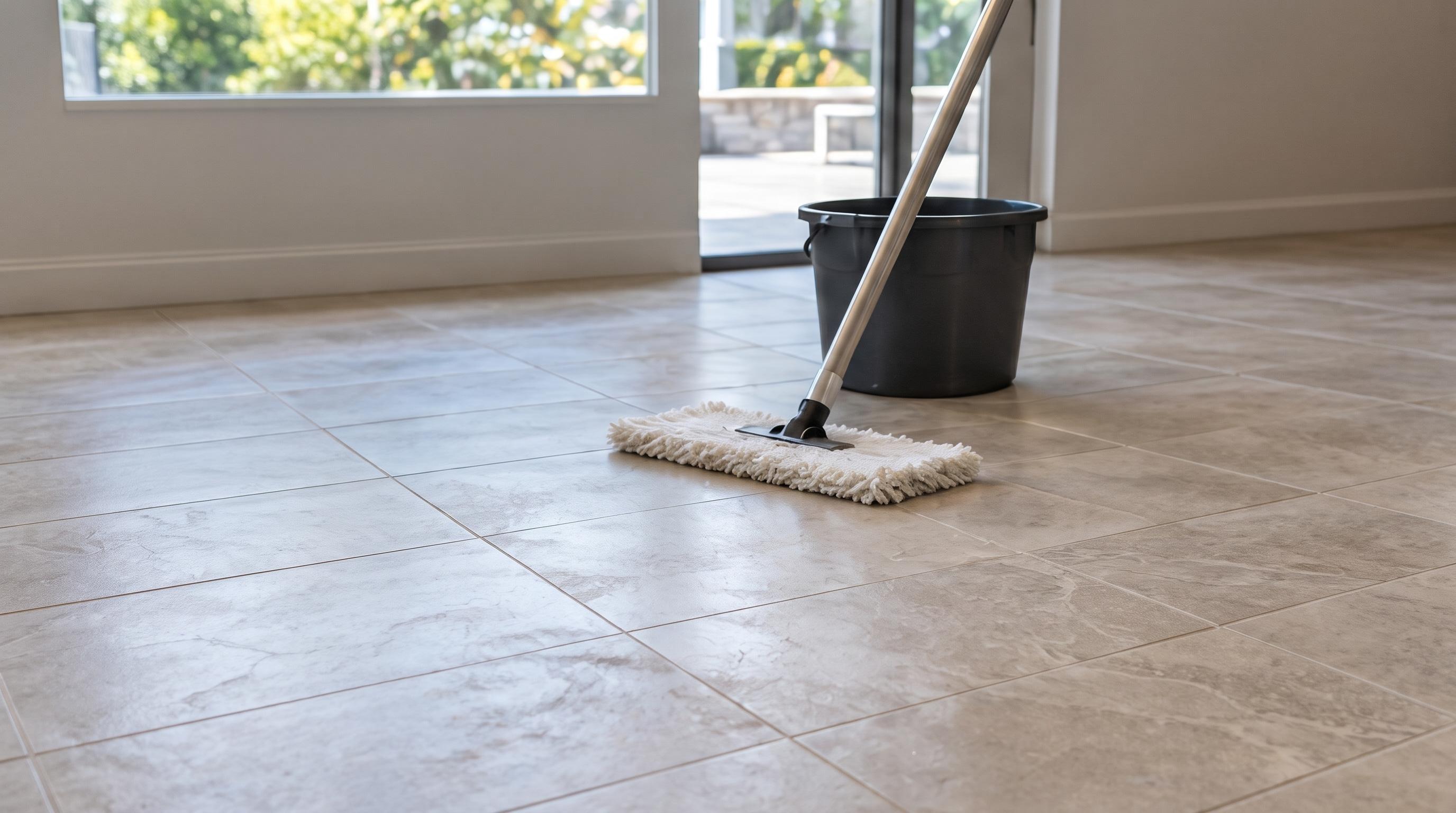
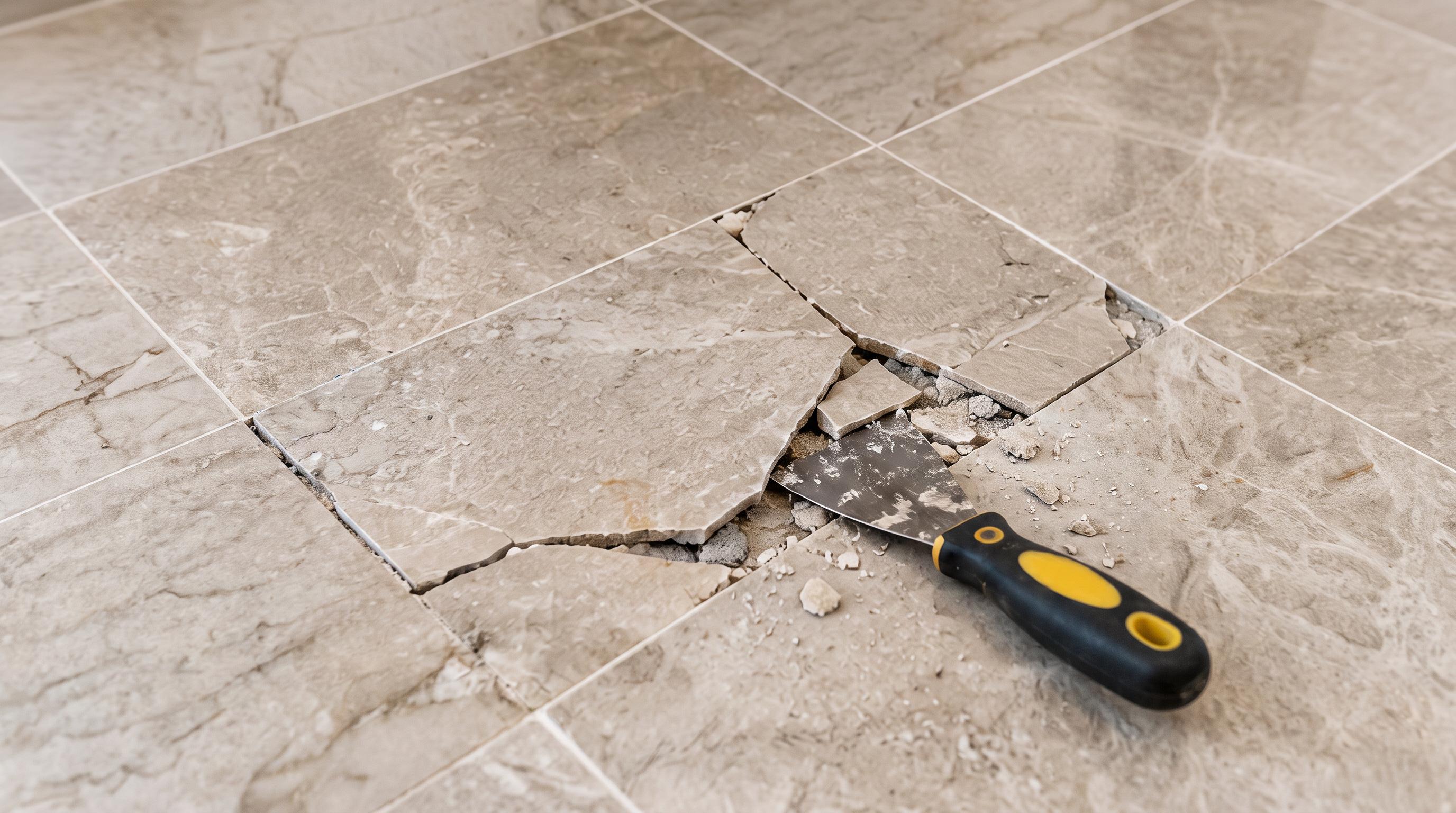
Fine sand tracked into a home can abrade stone floors over time. Chair legs, furniture feet, and heavy objects can also create scratches or chips. Place suitable mats near entrances and felt pads beneath furniture. Sweep or vacuum with a hard-floor setting regularly. Avoid dragging heavy furniture or appliances. On countertops, use cutting boards and trivets. These habits protect against everyday mechanical wear that no cleaner or sealer can reverse after the fact.
Mistake 6: Treating every stain as the same problem
A dark oil stain, a rust mark, and a dull etched ring are different issues. They may require different approaches, and some should be evaluated professionally. Applying an aggressive cleaner without identifying the problem can make it worse. For example, trying to scrub away acid etching with an abrasive product may further change the finish. Take a clear photo, note what caused the mark if known, and check the stone's care documentation. For valuable or delicate surfaces, professional restoration is safer than trial-and-error remedies.
Mistake 7: Choosing materials without discussing maintenance
A stone that looks beautiful in a showroom may develop a patina or require more care than expected in a busy kitchen. That does not make it a poor choice; it means expectations matter. Compare natural stone with porcelain and engineered surfaces based on appearance, intended use, and cleaning habits. Ask about the specific finish, possible sealing requirements, and compatibility with common household products. If you love marble but prefer a pristine look with minimal effort, consider whether another material better fits your lifestyle.
A better routine for stone care
Keep a pH-neutral cleaner appropriate for the surface, microfiber cloths, coasters, cutting boards, and trivets readily available. Remove grit from floors and wipe spills promptly. Review sealer and finish recommendations from the fabricator or supplier. Inspect high-use areas periodically for changes, and seek expert help for marks you cannot identify. A simple, repeatable routine is more protective than a cupboard full of specialized products used inconsistently.
What to do when damage has already happened
Stop using the product or method that may have caused the issue. Do not apply another treatment simply to hide the mark. Determine whether you are seeing a stain, etch, scratch, crack, or coating residue. Each has a different solution. Stone restoration professionals can often assess whether polishing, poulticing, repair, or another treatment is appropriate. Be cautious with online advice that promises one universal fix for every stone.
Choose stone with confidence
At Marble Express San Diego, you can explore natural stone and other surfaces in person and discuss care expectations as part of the selection process.