Marble and porcelain can both create beautiful interiors, but they are very different materials. Marble is natural stone, with individual veining and variation that many homeowners value. Porcelain is a manufactured ceramic product available in a wide range of colors, patterns, and finishes, including designs inspired by marble. If you are choosing tile for a bathroom, kitchen, floor, or wall, maintenance may be just as important as appearance. The easier choice depends on the exact product, finish, installation, and how you use the space.
The basic difference in materials
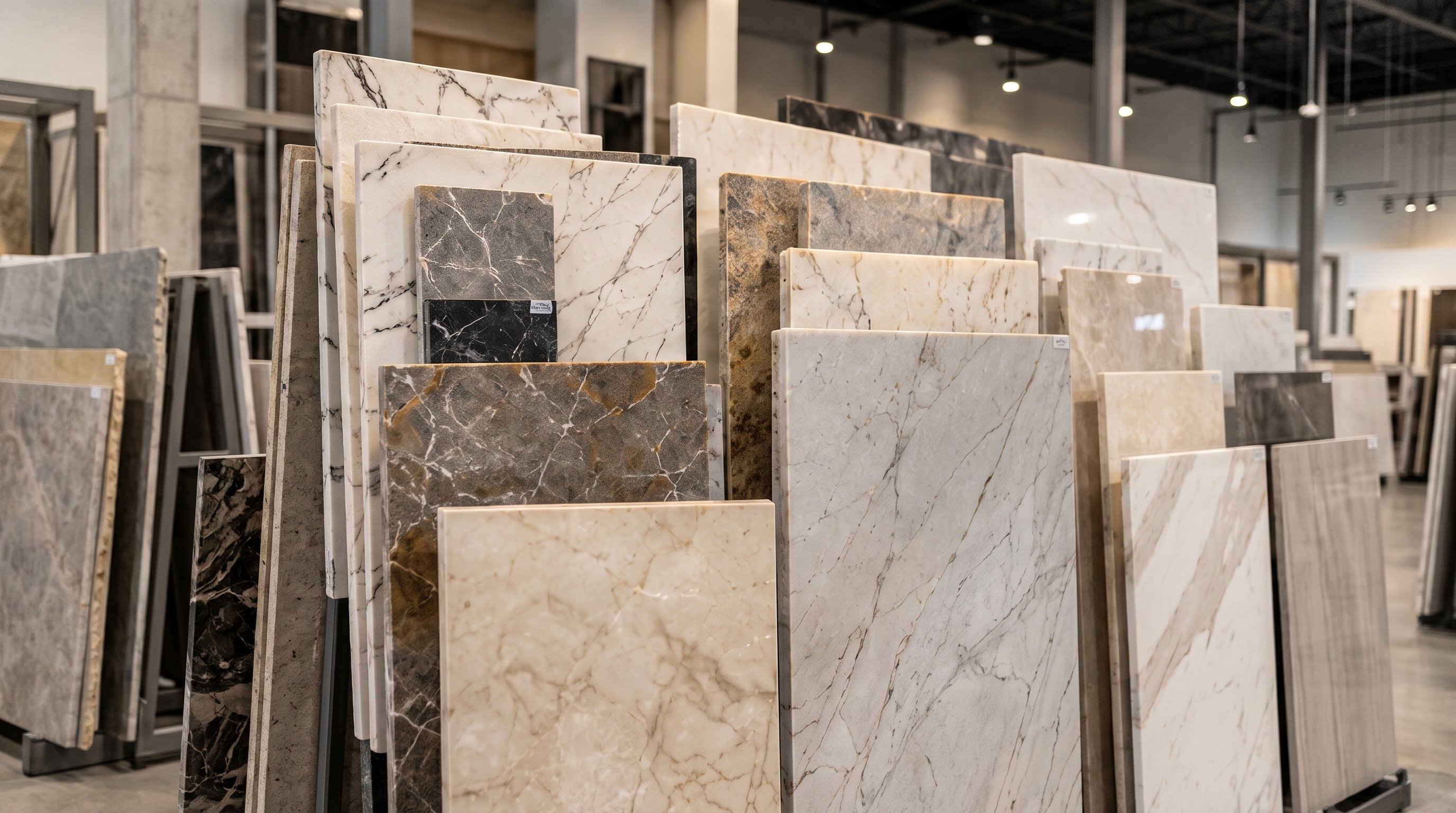
Marble forms naturally and contains minerals that can react with acids. Its appearance varies from slab to slab and tile to tile. Porcelain is manufactured from ceramic raw materials and fired to create a dense surface. Many porcelain products have relatively low water absorption, although finish and surface characteristics vary. Neither material should be judged by a single photograph. Seeing actual samples helps you understand texture, reflectivity, edge details, and the natural variation that may be present in marble.
Everyday cleaning: porcelain often has the simpler routine
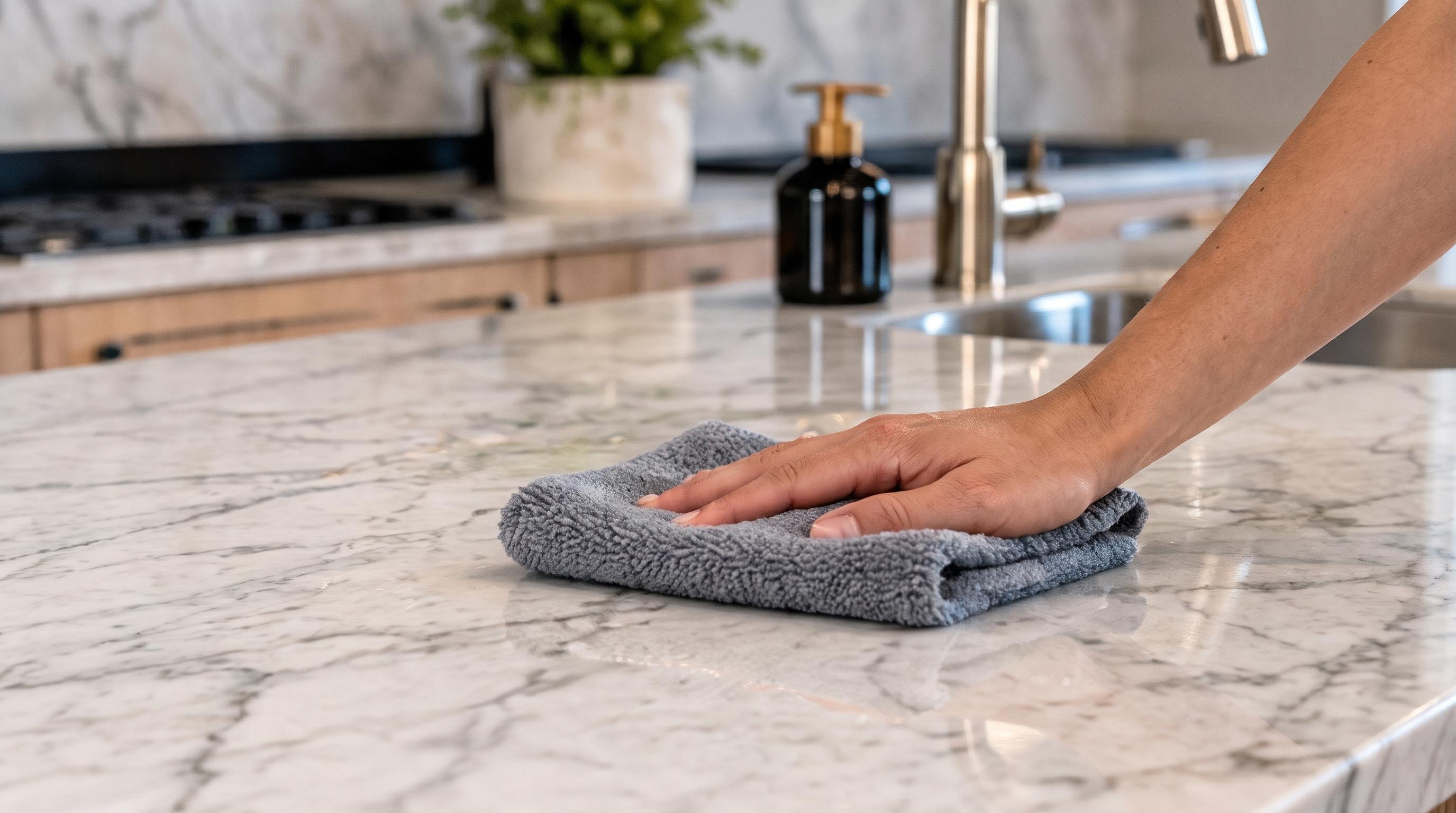
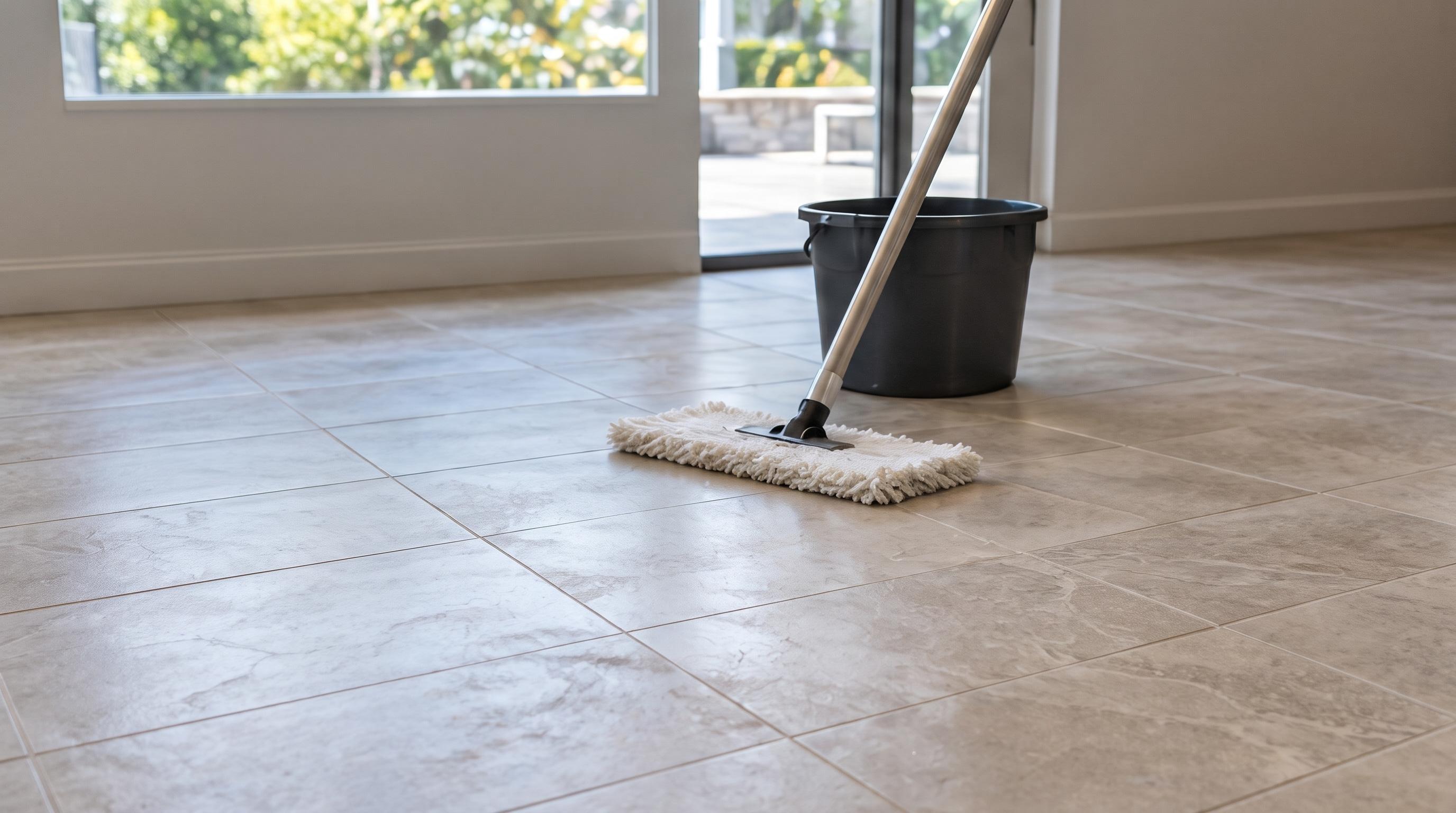
For many porcelain products, sweeping and mopping with a manufacturer-approved neutral cleaner are sufficient. Marble also benefits from gentle cleaning, but it requires extra care around acidic products. Vinegar, lemon juice, and certain bathroom cleaners can etch marble. Porcelain is not immune to all damage, and specialty finishes or grout may have particular restrictions. Still, for a household that wants a straightforward maintenance routine, a suitable porcelain tile may offer an advantage. Always review the instructions for the exact tile selected.
Stains and sealing: know the difference
Some marble installations benefit from an impregnating sealer that reduces the absorption of certain liquids. Sealing does not make marble acid-proof. Many porcelain tile surfaces do not need sealing, although grout or specialty finishes may have separate requirements. Marble can also show staining or darkening depending on its porosity and treatment. If low-maintenance cleaning is a top priority, ask the showroom team to compare the specific products you are considering rather than assuming every marble or porcelain behaves identically.
Scratches, chips, and everyday wear
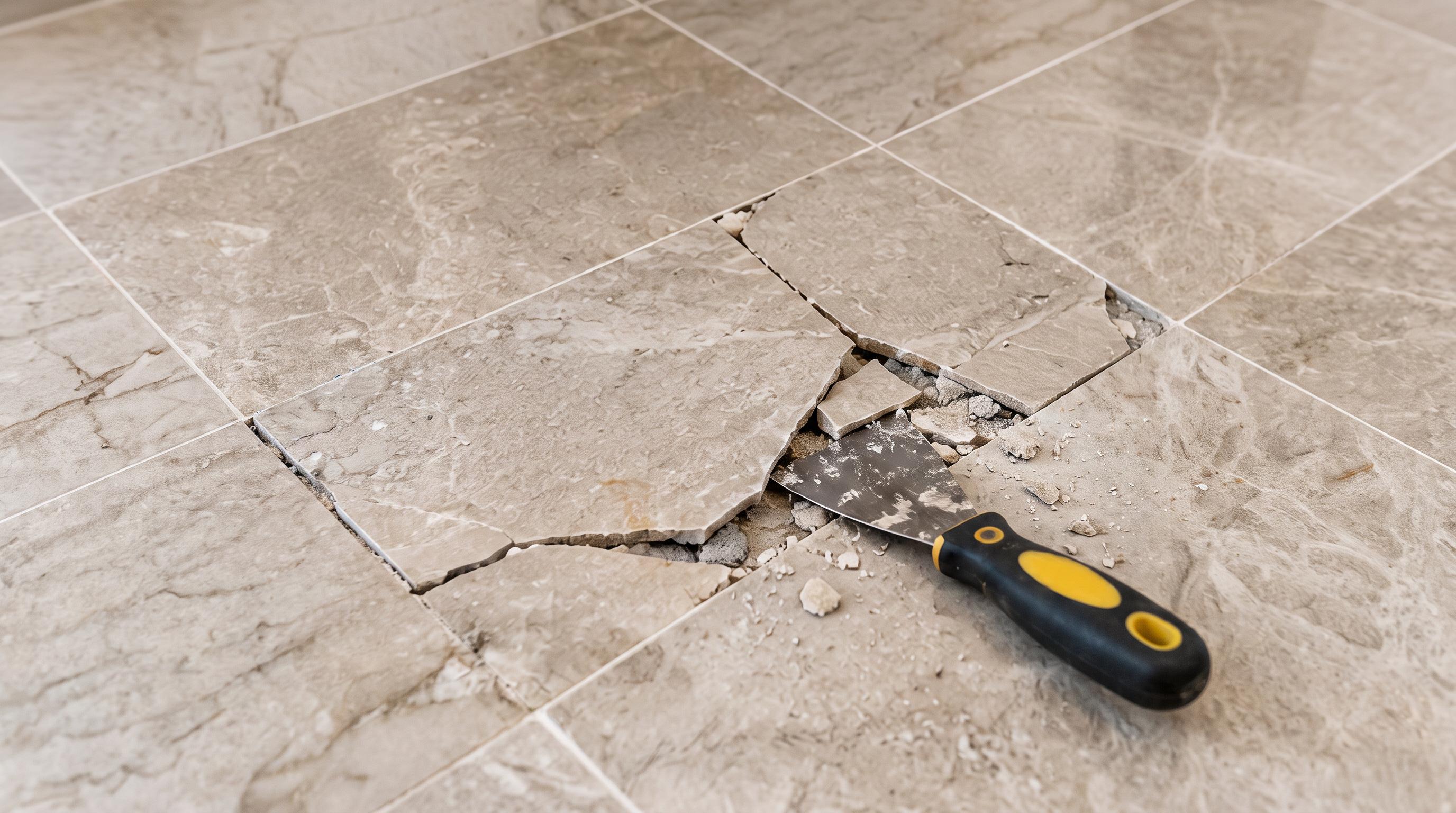
Both materials can chip under impact, and performance depends on product quality, thickness, edge treatment, and installation. Some polished marbles may show scratches or wear more readily than appropriate porcelain flooring. Porcelain can also be damaged by heavy impacts, and certain glossy finishes may reveal marks or scuffs. For floors, check the manufacturer's suitability ratings, slip resistance, and intended use. For countertops or walls, the questions may be different. Choose based on the application, not just a general claim that one material is tougher.
Bathrooms: moisture, cleaning, and traction
In bathrooms, porcelain is often attractive because of its relatively low water absorption and broad range of floor-rated textures. Marble can be a beautiful option but may need more careful cleaning and attention to toiletries, water spots, and sealer recommendations. Shower performance also depends heavily on waterproofing, grout, slope, and installation quality. A water-resistant tile does not replace a properly designed waterproofing system. For floors, prioritize a finish suitable for wet conditions rather than choosing solely by appearance.
Kitchens: spills, heat, and real-life habits
Kitchen floors and backsplashes face grease, food splashes, and frequent cleaning. Porcelain is often a practical option for those conditions, but check the finish and grout care. Marble can create a distinctive look, especially when homeowners appreciate natural patina, but acidic foods and spills deserve quick attention. If you are comparing countertop materials, remember that porcelain slabs and marble slabs have different fabrication and installation considerations from ordinary floor tile. Discuss the intended application with qualified professionals.
Design value: natural uniqueness versus consistency
Marble offers natural variation that cannot be replicated exactly. Veins, mineral patterns, and color shifts make each piece distinct. Porcelain can provide a more controlled appearance, including consistent patterns or dramatic marble-look designs. Large-format porcelain can create fewer visible joints in some applications, while marble tile may be selected for mosaics, traditional layouts, or architectural detail. Neither approach is inherently more premium; the right choice depends on the space, design goals, and the look you want to live with.
Budget beyond the material price
Consider installation, substrate preparation, waste, maintenance, and potential future repairs. Natural stone may involve different handling, sealing, or fabrication requirements. Large-format porcelain may also require specialized installation expertise. A lower material price does not always mean a lower total installed cost. Ask for estimates from qualified installers and compare complete project costs. If matching tiles later could be important, consider keeping spare pieces from the original order.
Which material should you choose?
Choose marble when natural variation and a developing patina are part of the appeal and you are comfortable with its care requirements. Consider porcelain when predictable appearance and a generally simpler cleaning routine are priorities. For high-traffic floors or wet areas, check the actual product's technical suitability rather than relying on category alone. The best decision is made with physical samples, realistic maintenance expectations, and professional installation advice.
Explore both options in San Diego
Visit Marble Express San Diego to compare natural marble and porcelain in person. Our showroom offers an opportunity to evaluate colors, finishes, and material characteristics side by side.