Porcelain tile is valued for its versatility, durability, and range of looks, from minimalist concrete effects to marble-inspired designs. Yet even a beautiful porcelain floor can look dull when cleaner residue builds up or dirty mop water dries on the surface. The best approach is usually straightforward: remove grit, use the right cleaner at the right concentration, and avoid leaving a film behind. Finish matters too. Polished, matte, and textured porcelain can show residue differently, so the cleaning routine should fit the specific tile.
Start with the finish, not just the material name
Porcelain is a broad category. Polished porcelain may show streaks and footprints more readily, while textured porcelain can hold dirt in small surface recesses. Glazed and unglazed products may have different manufacturer recommendations. Before choosing a cleaner, check the product instructions, especially for specialty finishes and slip-resistant tiles. If you are unsure which porcelain is installed, begin with a gentle neutral cleaner and a small test area. Avoid aggressive products until the surface and cause of the problem are identified.
Remove loose dirt before adding water
Sweep or vacuum using a hard-floor setting to pick up sand, crumbs, and dust. Wetting loose soil first can turn it into muddy streaks that are harder to remove. For textured porcelain, use a soft brush or a suitable vacuum attachment to reach shallow grooves. Pay attention to grout joints and edges. Regular dry cleaning also reduces abrasion from foot traffic. This step is especially useful in entryways and kitchens where small particles accumulate throughout the day.
Use less cleaner than you think
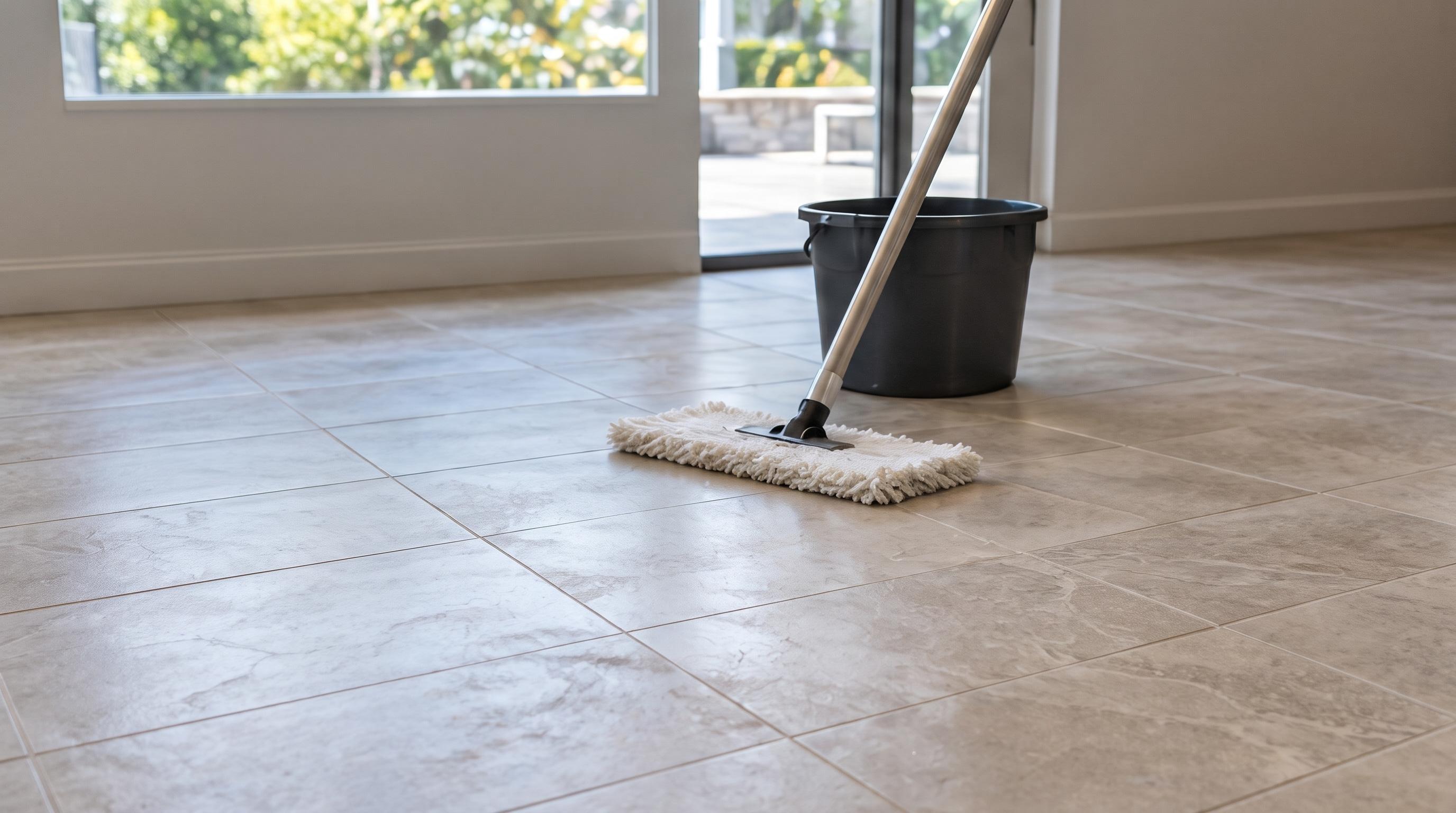
Too much detergent is a frequent cause of cloudy porcelain floors. Mix a manufacturer-approved cleaner according to the label, not by guesswork. Use a clean microfiber mop and apply enough solution to loosen soil without flooding the floor. Work in manageable sections and replace dirty water promptly. If the product requires rinsing, use clean water afterward. When a floor still feels tacky or looks dull after drying, residue may be the problem rather than a lack of cleaning strength.
Drying and buffing make a difference
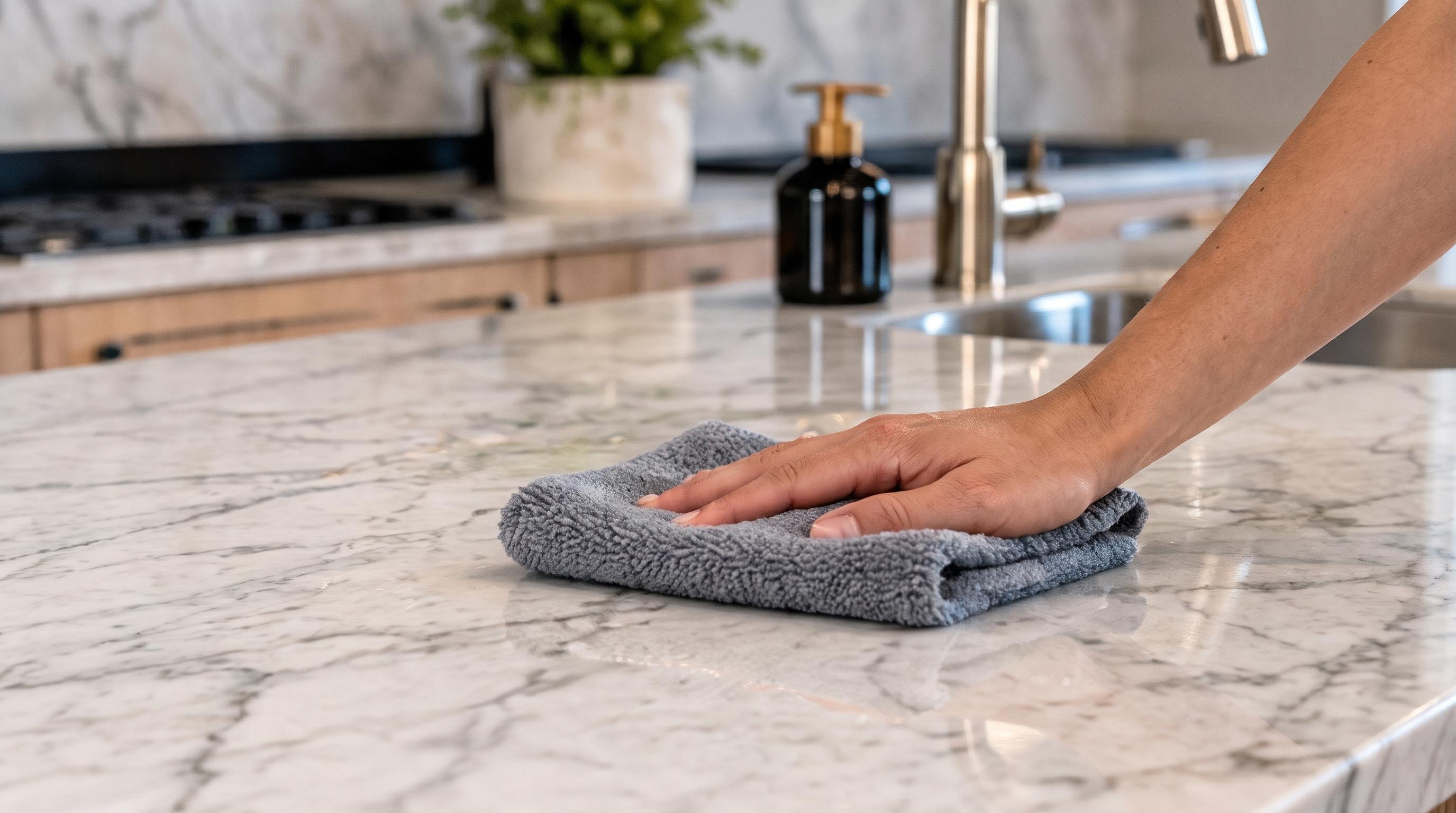
On glossy or polished porcelain, water droplets and leftover cleaner can dry into visible marks. After cleaning, use a clean, dry microfiber pad to remove excess moisture and buff the surface if appropriate for the finish. Avoid towels that shed lint. Hard water can also contribute to spotting, so the water used for cleaning may matter. If spots recur, check whether the cleaning solution, water quality, or an existing surface coating is responsible before changing products.
What to do with textured porcelain
Textured porcelain is often selected for traction or visual interest, but dirt can collect in the texture. A soft nylon brush and compatible cleaner may help loosen soil in grooves. Do not use metal brushes or abrasive pads unless the manufacturer specifically permits them. Rinse away loosened dirt rather than spreading it across the surface. For larger areas, professional cleaning equipment may be appropriate, but the operator should understand the tile finish and grout system. High pressure or harsh chemicals are not automatically better.
Keep grout from becoming the weak point
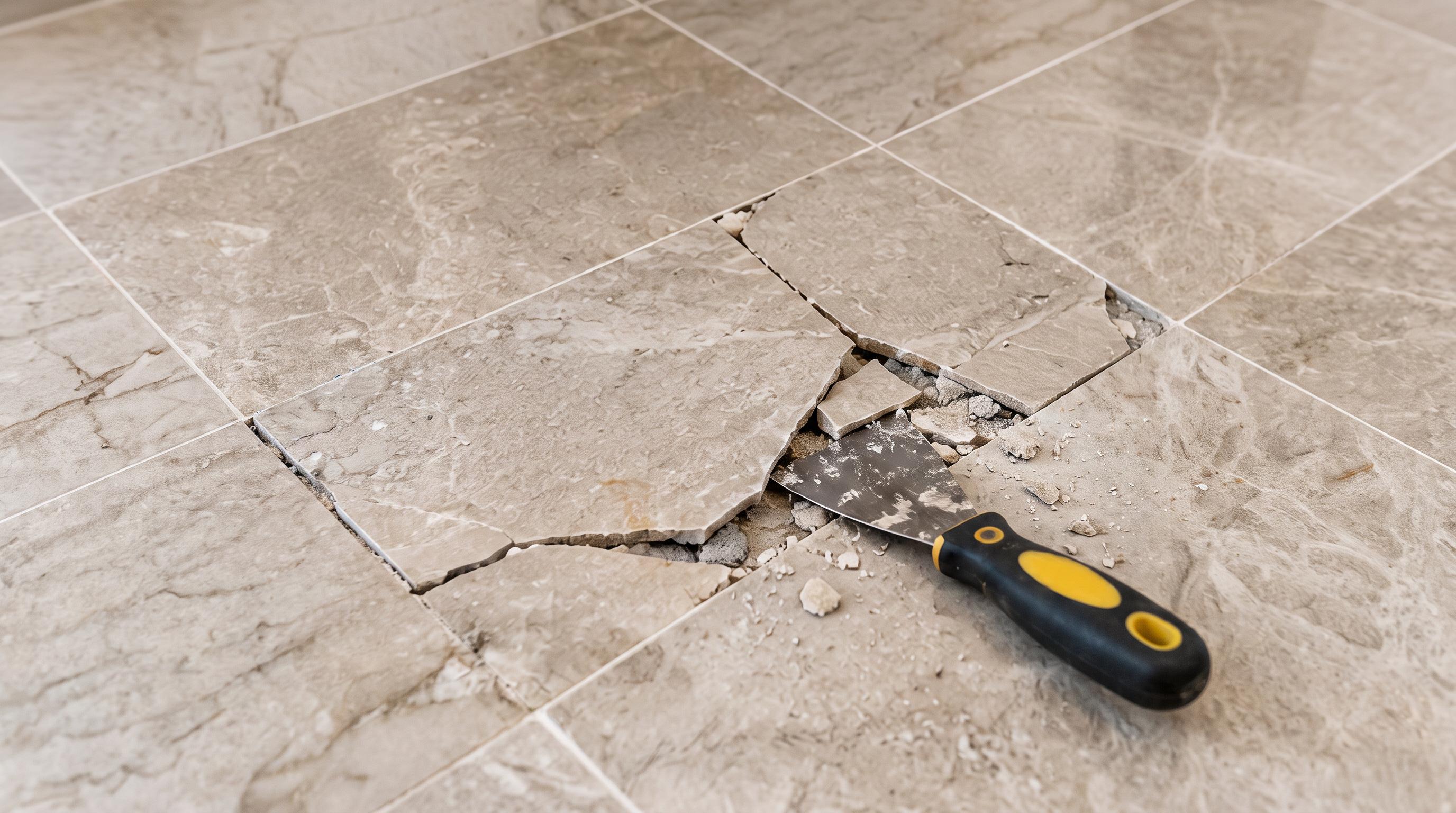
Even when the porcelain surface is easy to maintain, grout can collect soil or discolor. Use a grout-compatible cleaner and soft brush as needed. Avoid strong acids on cementitious grout unless a product and procedure are specifically approved for the installation. If joints are cracking or falling out, cleaning will not fix the underlying issue. Inspect shower and wet-area transitions for failed sealants and ask a professional to assess persistent moisture problems. A clean tile surface cannot compensate for damaged joints.
Avoid common quick fixes
Vinegar, heavy degreasers, waxes, and shine-restoring coatings are often recommended online without regard to the tile finish or grout. Some may leave a film, alter slip resistance, or damage adjacent materials. Steam cleaning also depends on the installation and manufacturer's guidance. Never mix chemicals, and do not assume that a product safe for porcelain is automatically safe for natural stone accents or grout nearby. A simpler routine with compatible products is usually easier to sustain.
Remove stubborn marks carefully
For dried food, tracked-in dirt, or light scuffs, begin with a compatible cleaner and a soft cloth or nonabrasive pad. Let the cleaner dwell only as directed, then rinse if needed. Construction haze, adhesive residue, paint, and mineral deposits are different problems and may require specialized products. Identify the residue before treating it, and test in a hidden area. If a new floor has persistent haze after installation, consult the installer or tile manufacturer rather than repeatedly scrubbing the surface.
A simple porcelain cleaning schedule
Sweep busy areas frequently, spot-clean spills promptly, and mop when needed with the correct dilution. Periodically inspect grout, edges, and textured zones for buildup. Keep a clean set of microfiber pads dedicated to tile floors so they are not contaminated with wax or oil from other surfaces. This approach helps porcelain retain its intended appearance without unnecessary chemical treatments.
See porcelain options in person
Visit Marble Express San Diego to explore porcelain surfaces and compare finishes. Seeing a physical sample helps you balance appearance, texture, and maintenance expectations before selecting materials.