Applications
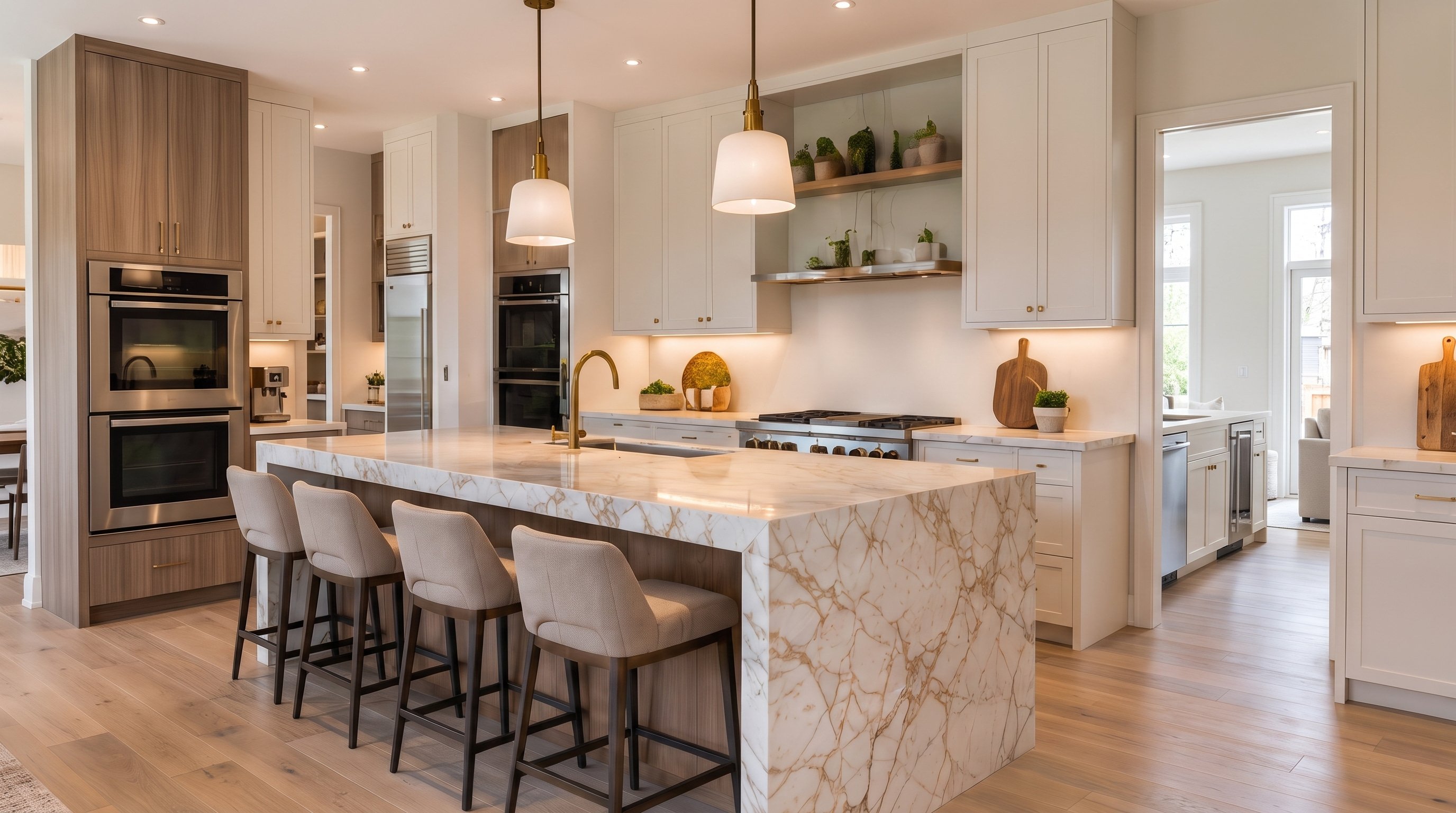
Stone for kitchen countertops
The kitchen asks the most of a surface: heat, knives, spills and daily cleaning. These materials hold up best, in order of how little care they need.
Best choices first
Materials for kitchen countertops
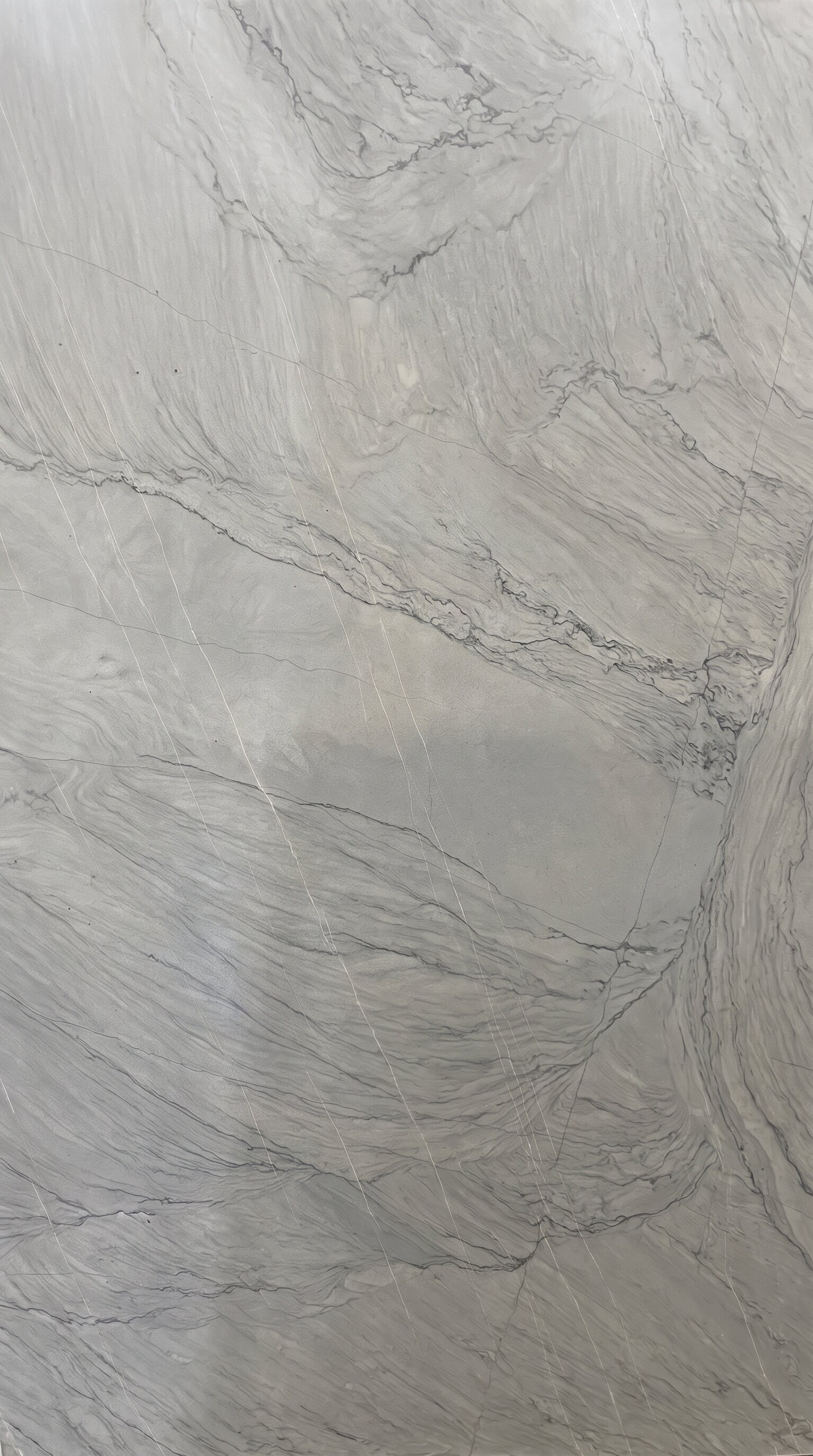
Quartzite
As hard as granite, with the veining of marble. Handles heat and resists scratches; most quartzites resist etching from lemon and wine far better than marble.
Finish: Polished or leathered
Shop Quartzite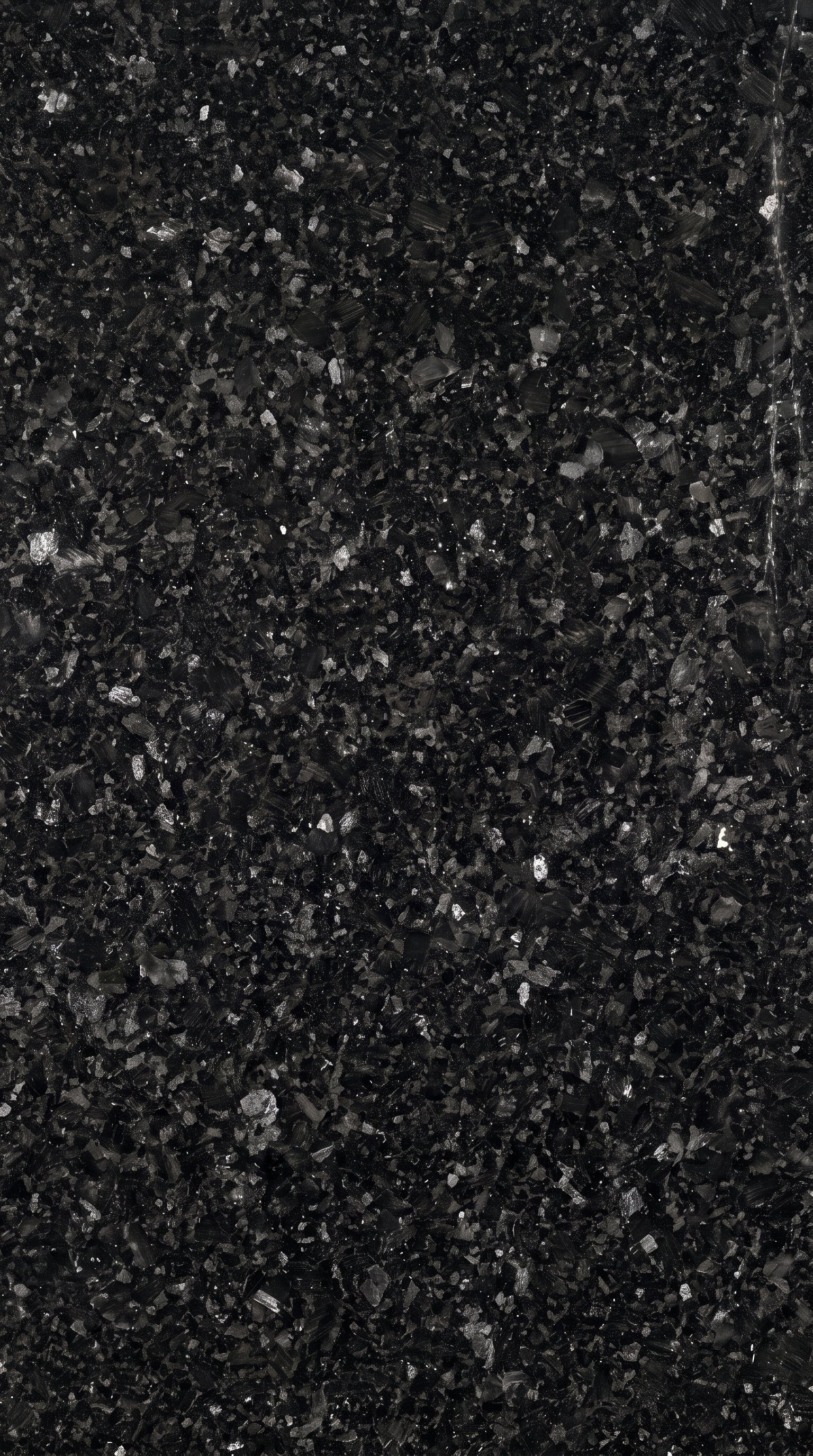
Granite
Very hard and heat-tolerant, with a speckled pattern that hides crumbs and wear. A proven choice for busy family kitchens and islands.
Finish: Polished, honed or leathered
Shop Granite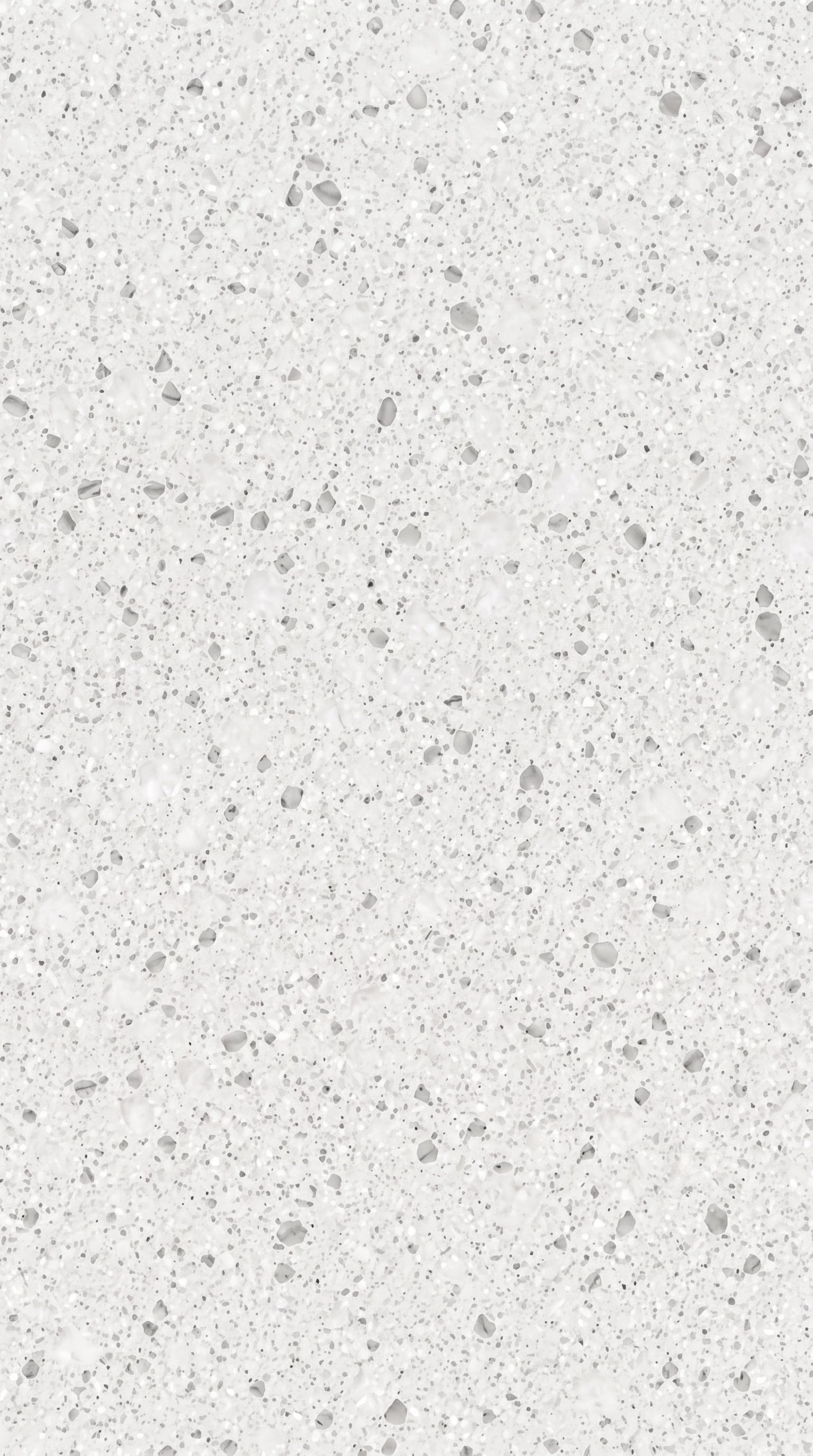
Quartz
Engineered and non-porous, so it never needs sealing and stains wipe away. Consistent color from slab to slab, which suits long runs and seamed islands.
Finish: Polished or matte
Shop Quartz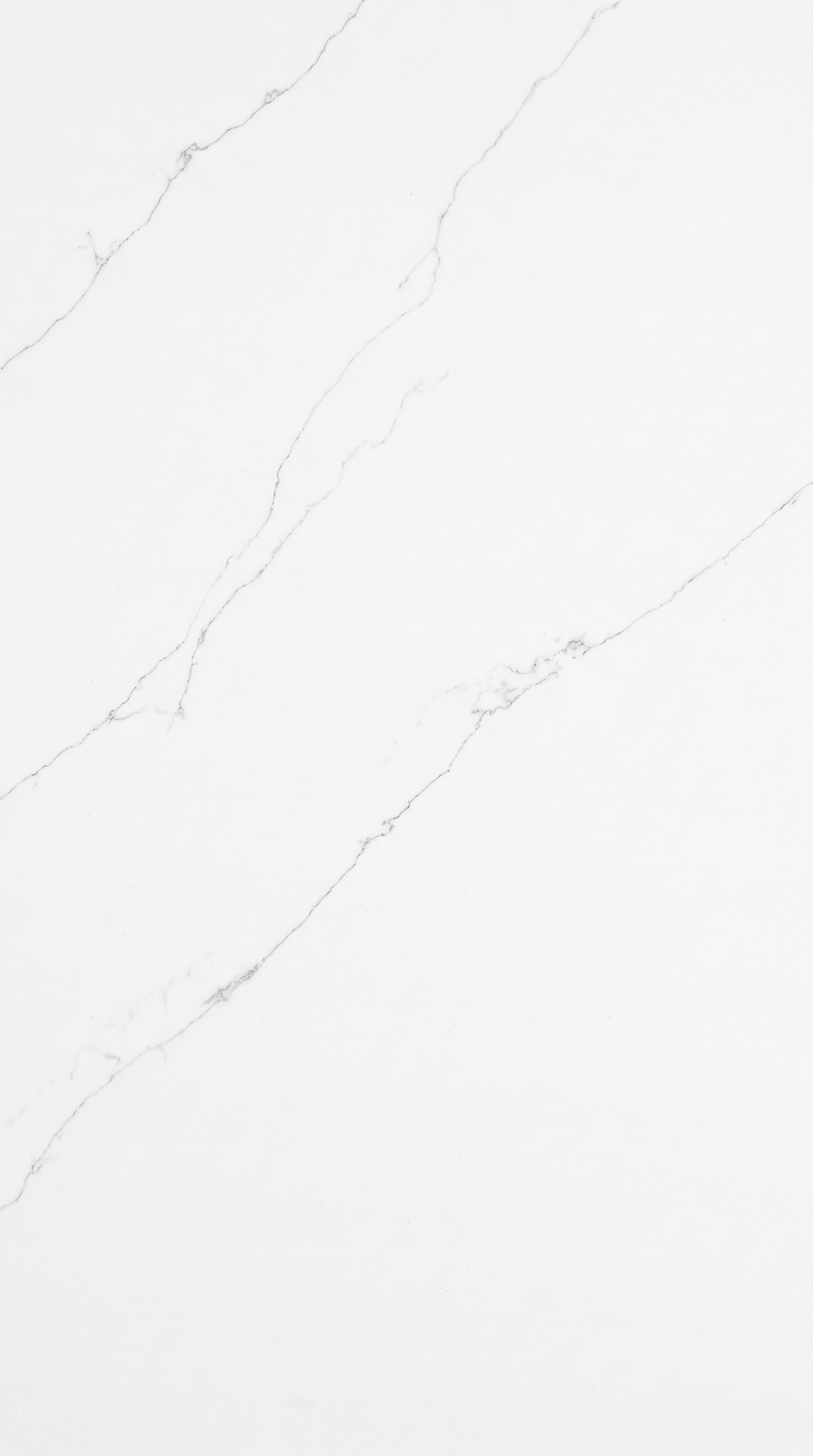
Porcelain
Sintered under heat and pressure: unaffected by hot pans, stains and UV light. Thin 12 mm slabs suit modern, slim-edged designs.
Finish: Matte or polished
Shop Porcelain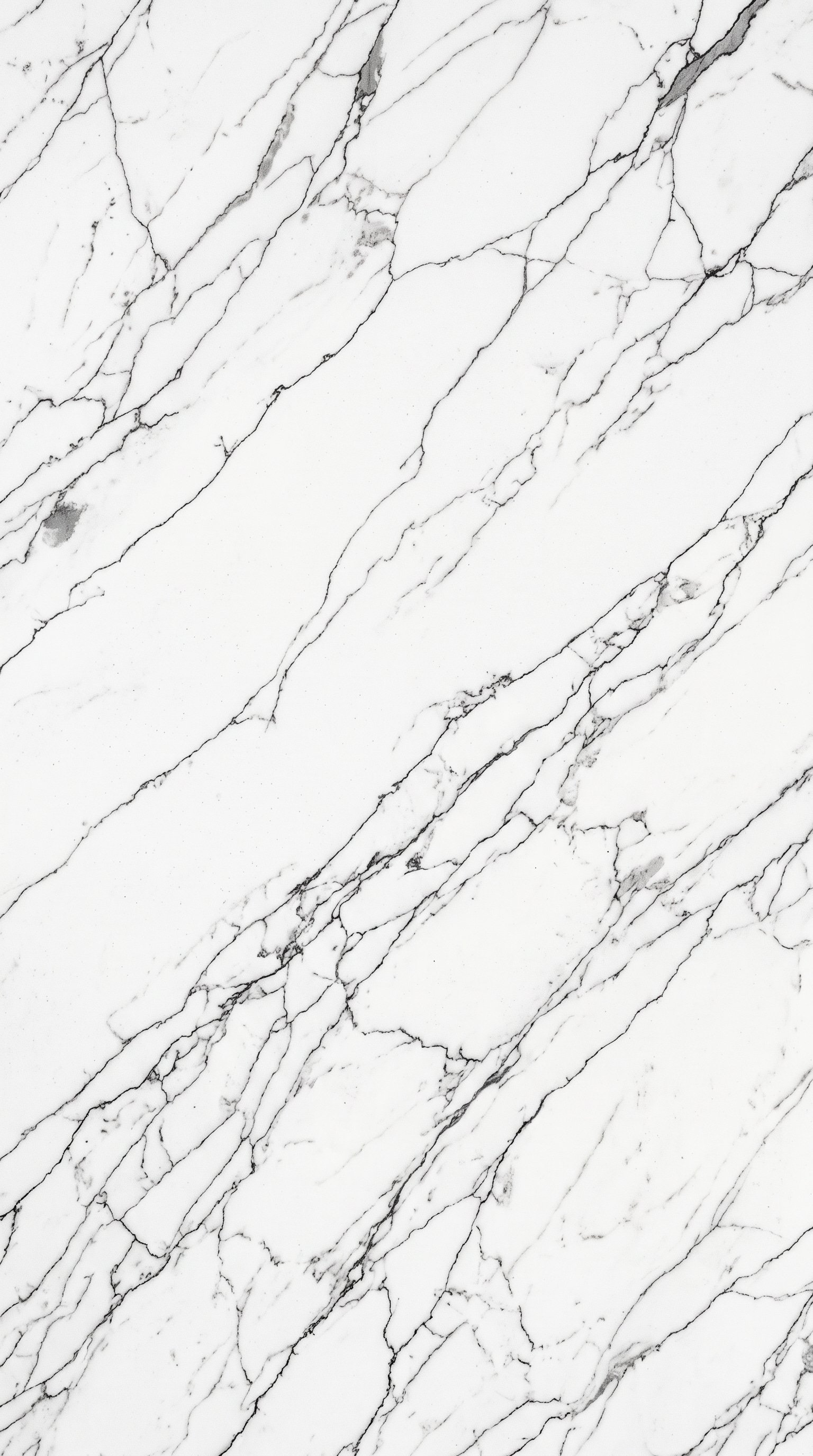
Marble
Cool to the touch and loved by bakers, with veining nothing else matches. It etches from acids, so many owners choose it knowing it will age with a patina.
Finish: Honed (hides etching better than polished)
Shop Marble
Before you choose
- 3 cm slabs are standard for kitchens and need no extra build-up at the edge; 2 cm works with a mitered or laminated edge.
- Seal granite, quartzite and marble when installed and re-seal when water stops beading, usually once a year.
- Use trivets under hot pots on quartz: the resin that binds it can discolor with direct heat.
- Plan islands around slab size. Jumbo slabs (about 130 x 65 in) let most islands go seamless.
Think twice about
- Onyx, limestone and travertine are soft and porous, so they scratch and stain too easily for a working countertop.
Not sure which stone fits your project? Bring your plans to the showroom and we will walk you through the slabs in person.
Book a Visit