Applications
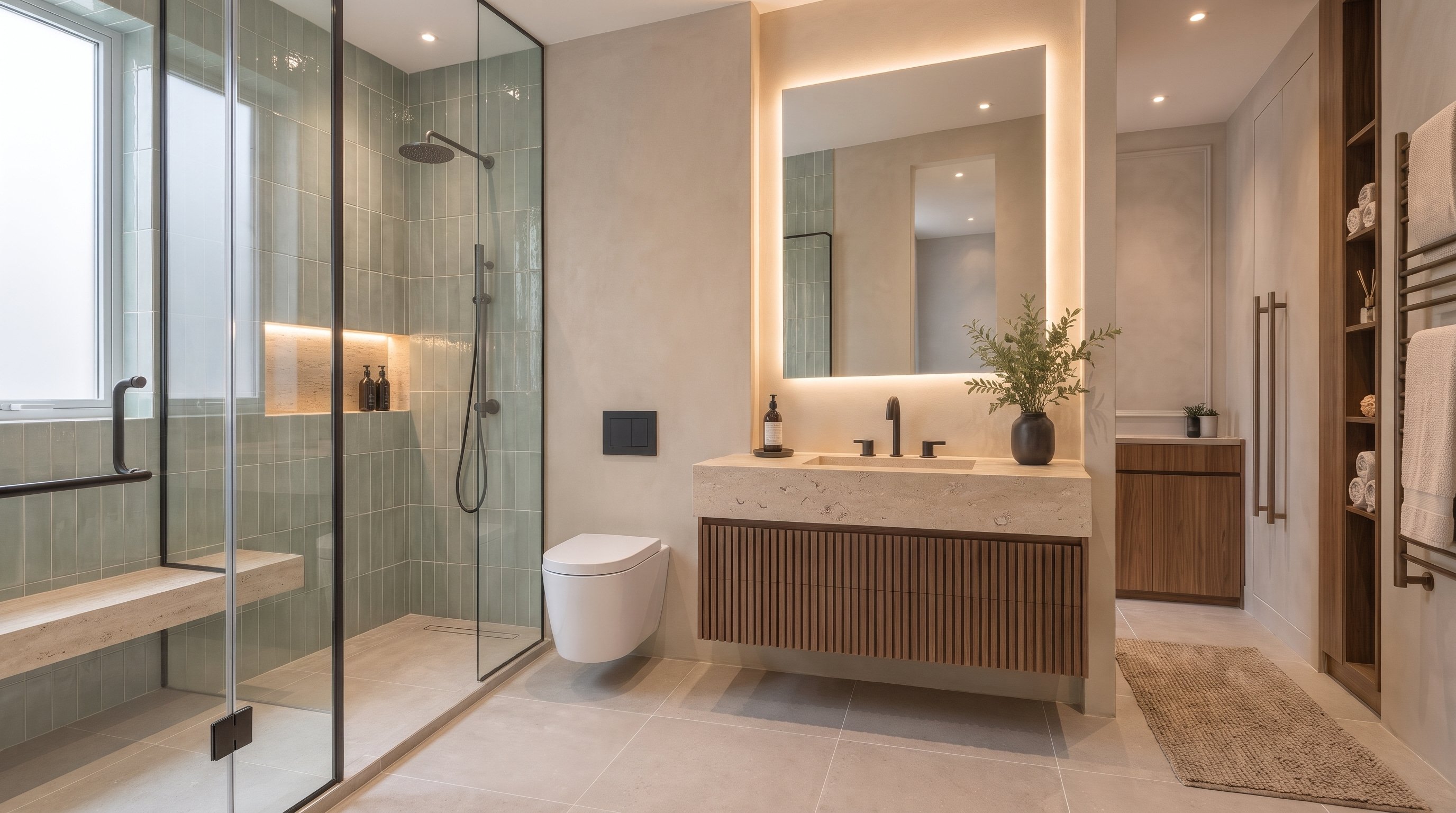
Stone for bathroom vanities & showers
Bathrooms see water and soap more than heat and knives, so softer, more decorative stones work well here. Choose for the look, then pick a finish that suits wet floors and walls.
Best choices first
Materials for bathroom vanities
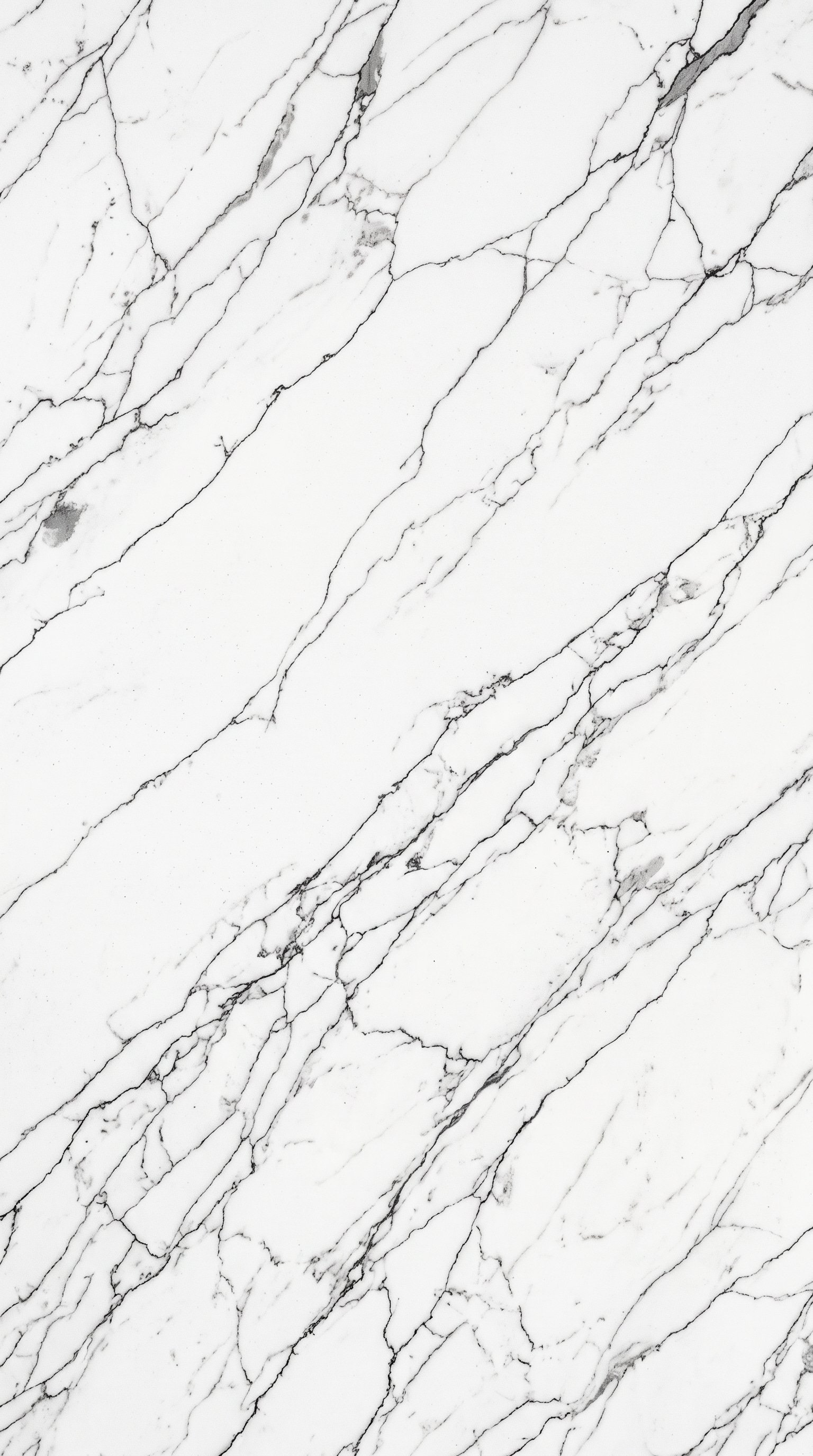
Marble
The classic bathroom stone. Vanities see little wear, so marble keeps its look for decades; bookmatched slabs make striking shower walls.
Finish: Polished on vanities and walls, honed on floors
Shop Marble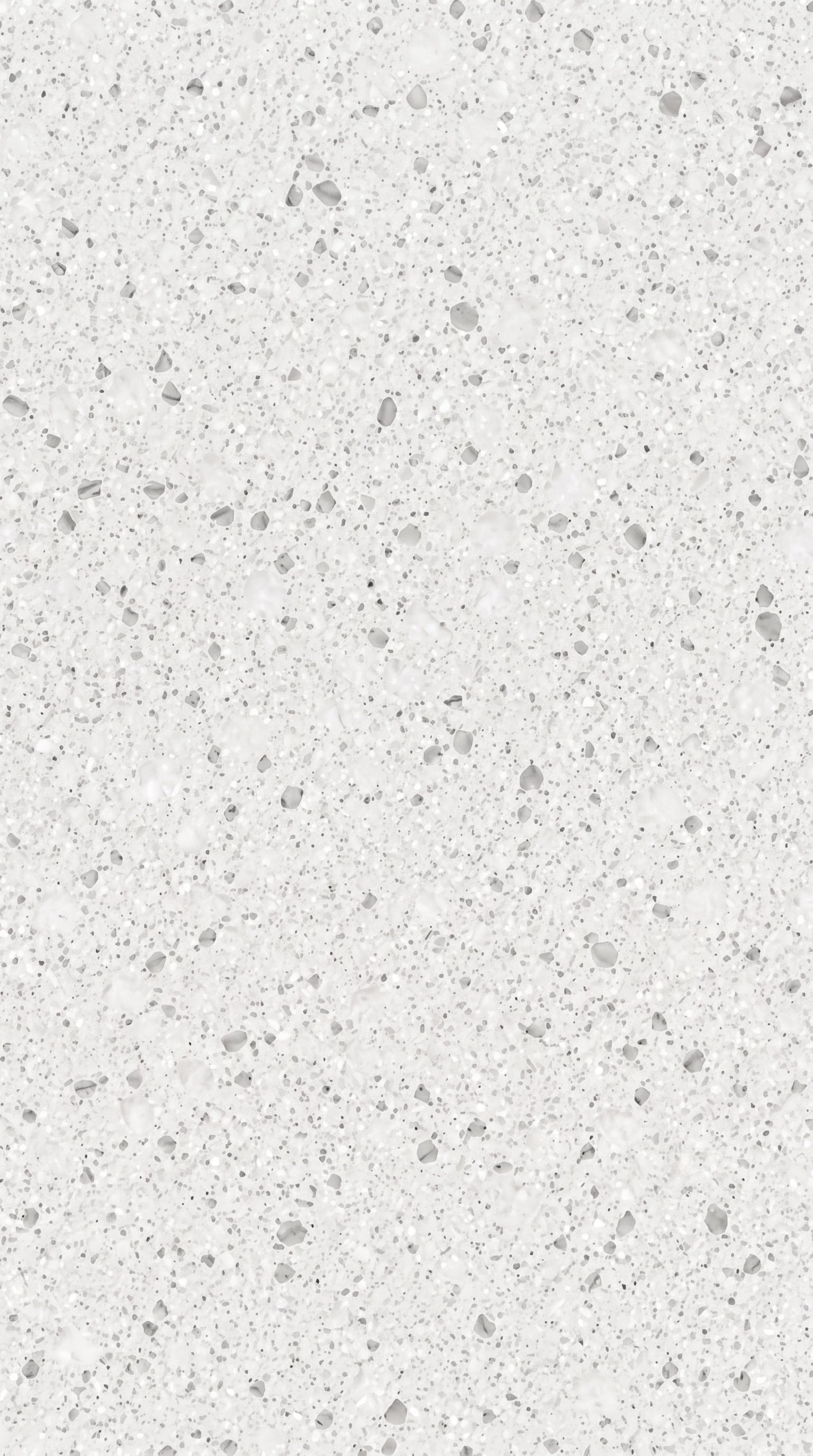
Quartz
Non-porous and easy to keep clean around toothpaste, makeup and hair products. A good choice for kids and guest baths.
Finish: Polished or matte
Shop Quartz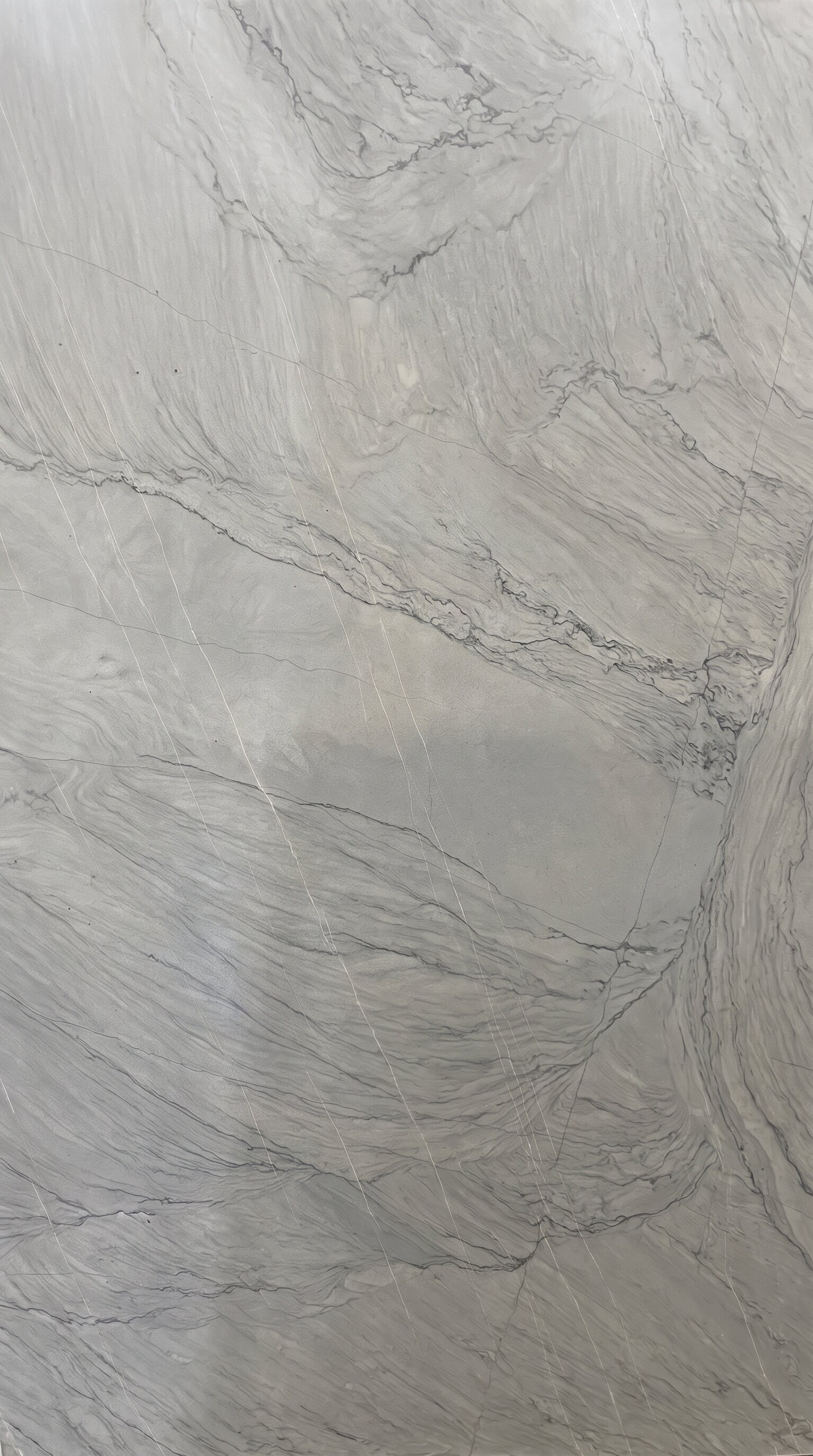
Quartzite
The look of marble with more resistance to scratches and etching from cleaning products.
Finish: Polished or honed
Shop Quartzite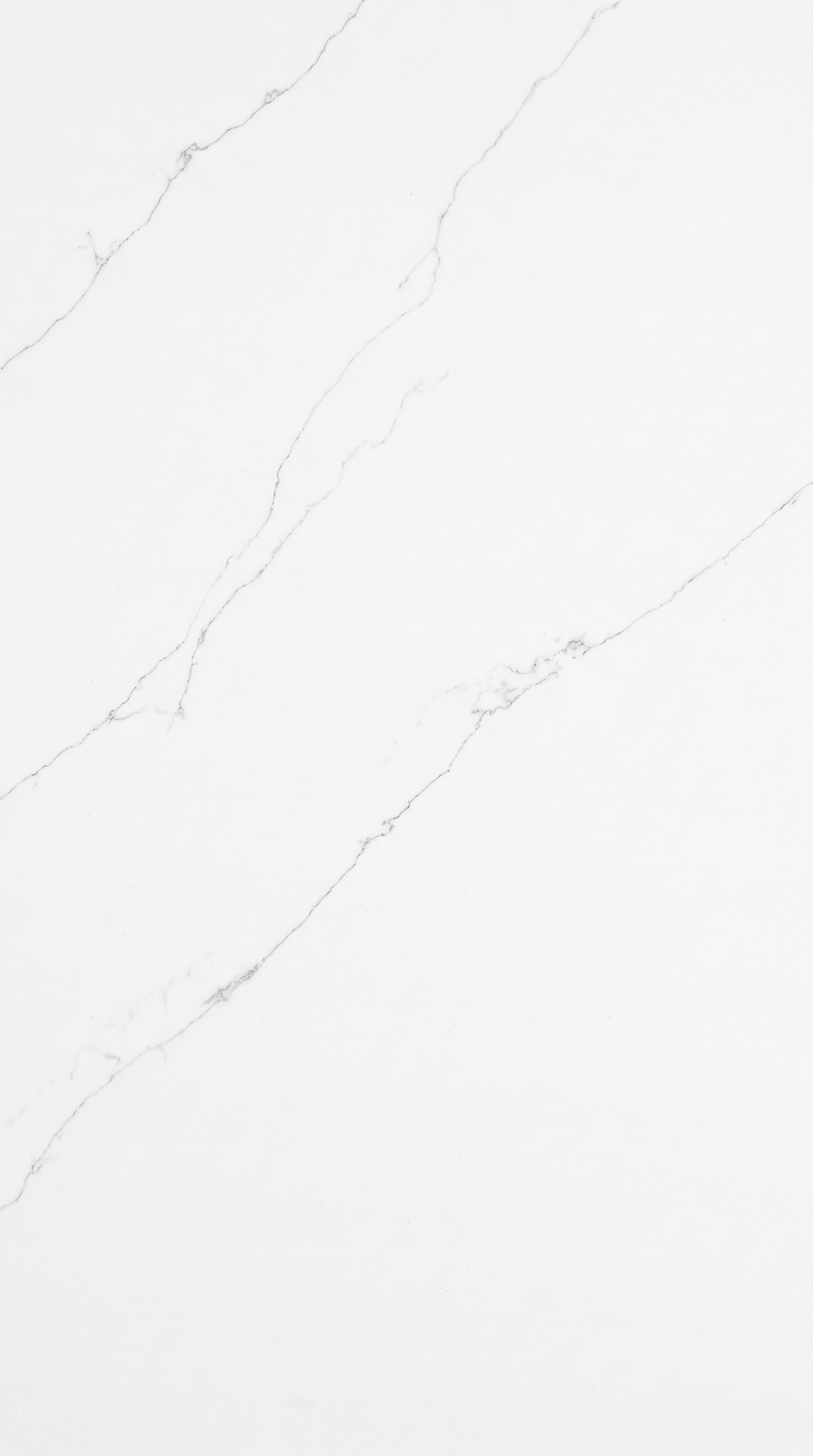
Porcelain
Large-format panels cover shower walls with few or no grout lines, and never need sealing.
Finish: Matte or polished; textured for shower floors
Shop Porcelain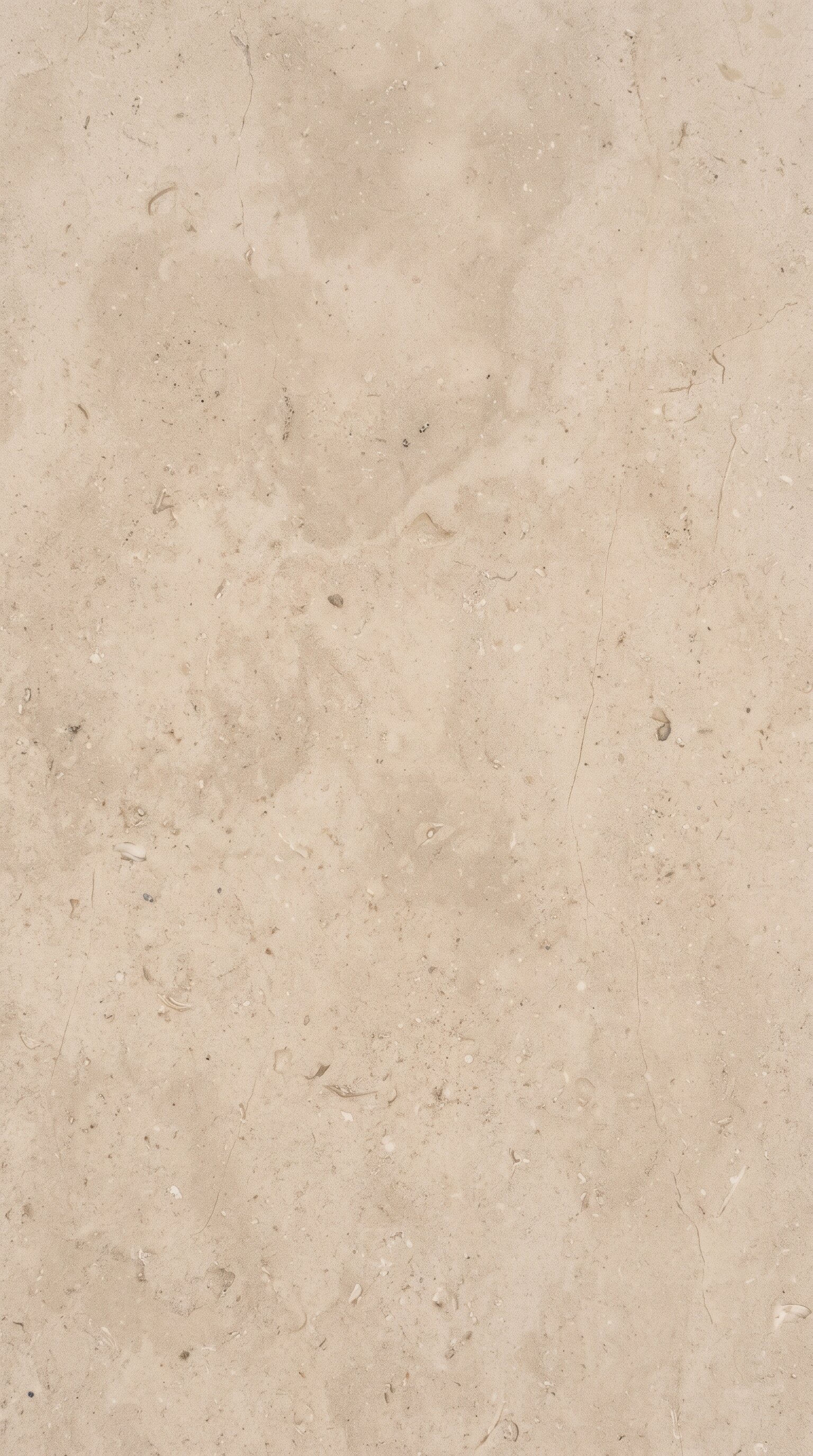
Limestone
Soft, warm and calm, the spa look. Best on walls and vanities in low-traffic baths.
Finish: Honed
Shop Limestone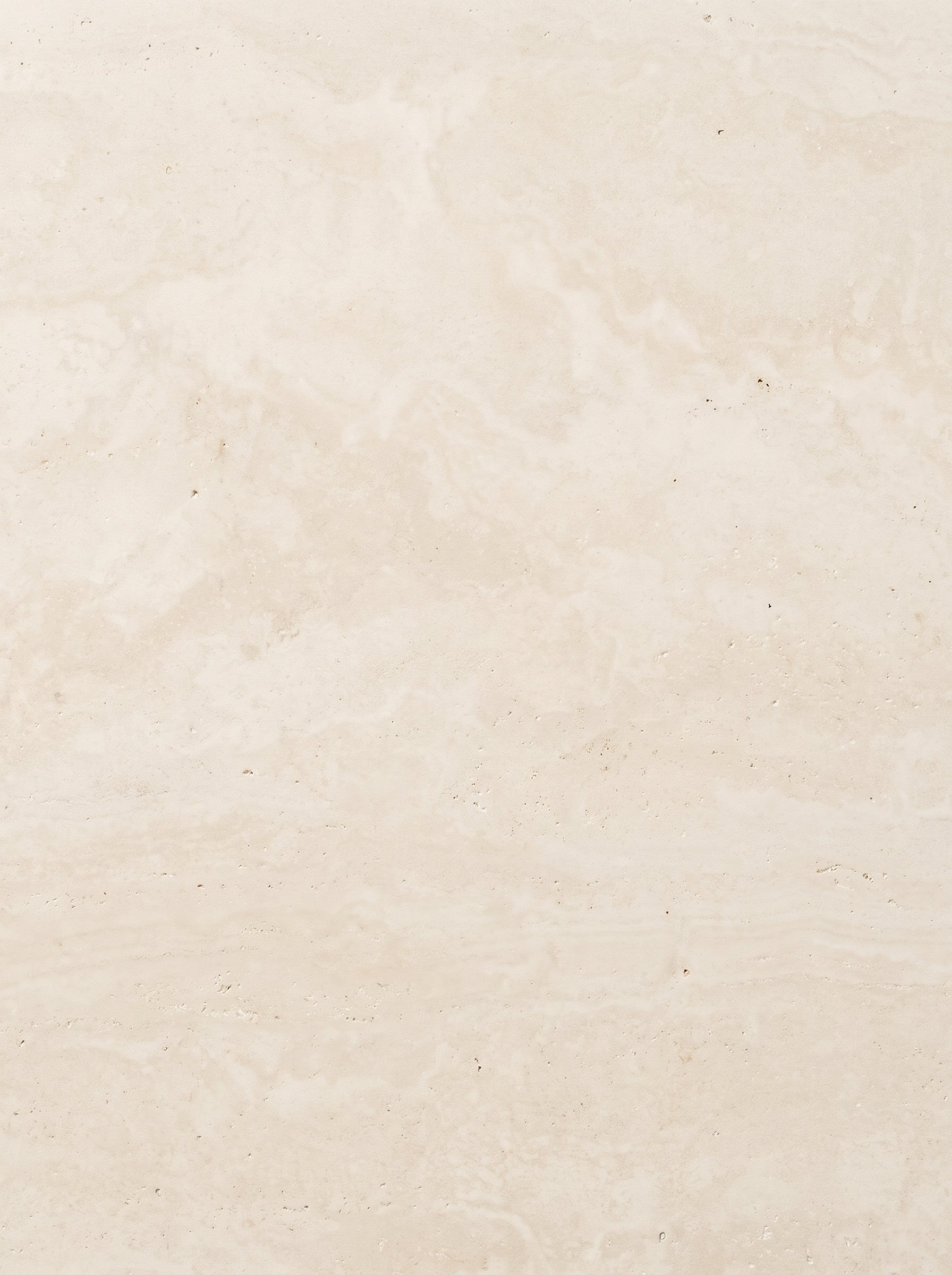
Travertine
Warm, natural texture for floors and walls. Filled and honed travertine is smooth and easy to clean.
Finish: Filled and honed
Shop Travertine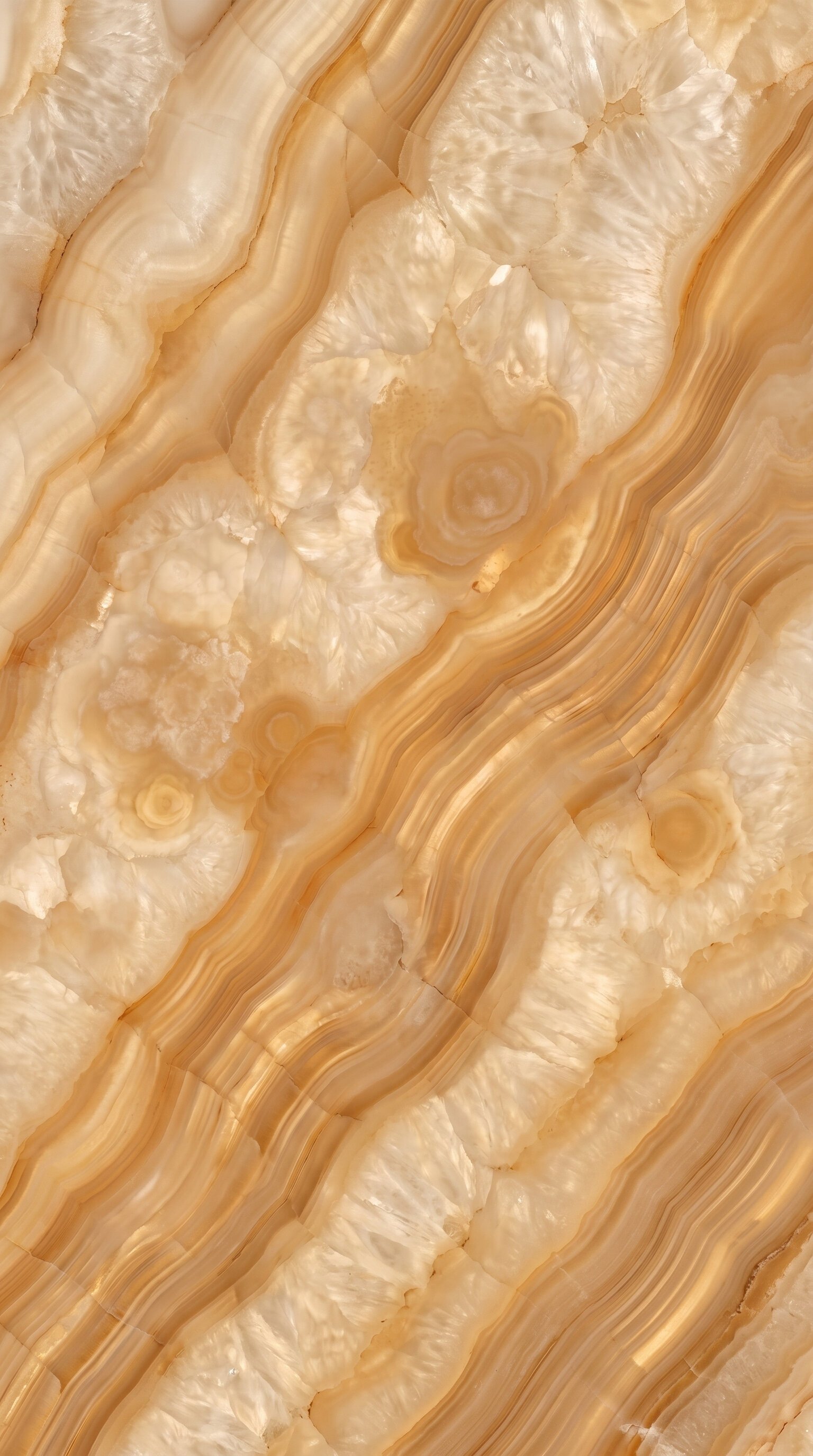
Onyx
Translucent, so it can be backlit for a glowing feature wall or vanity front. Treat it as a statement piece rather than a work surface.
Finish: Polished
Shop Onyx
Before you choose
- Use honed or textured finishes on bathroom floors and shower floors; polished stone is slippery when wet.
- Seal natural stone in showers and re-seal yearly; squeegee walls after use to limit soap and mineral build-up.
- Clean with pH-neutral stone cleaner. Bathroom cleaners with acid or bleach etch marble, limestone, travertine and onyx.
Think twice about
- Polished stone on wet floors: it is slippery. Ask for a honed or textured finish instead.
Not sure which stone fits your project? Bring your plans to the showroom and we will walk you through the slabs in person.
Book a Visit